

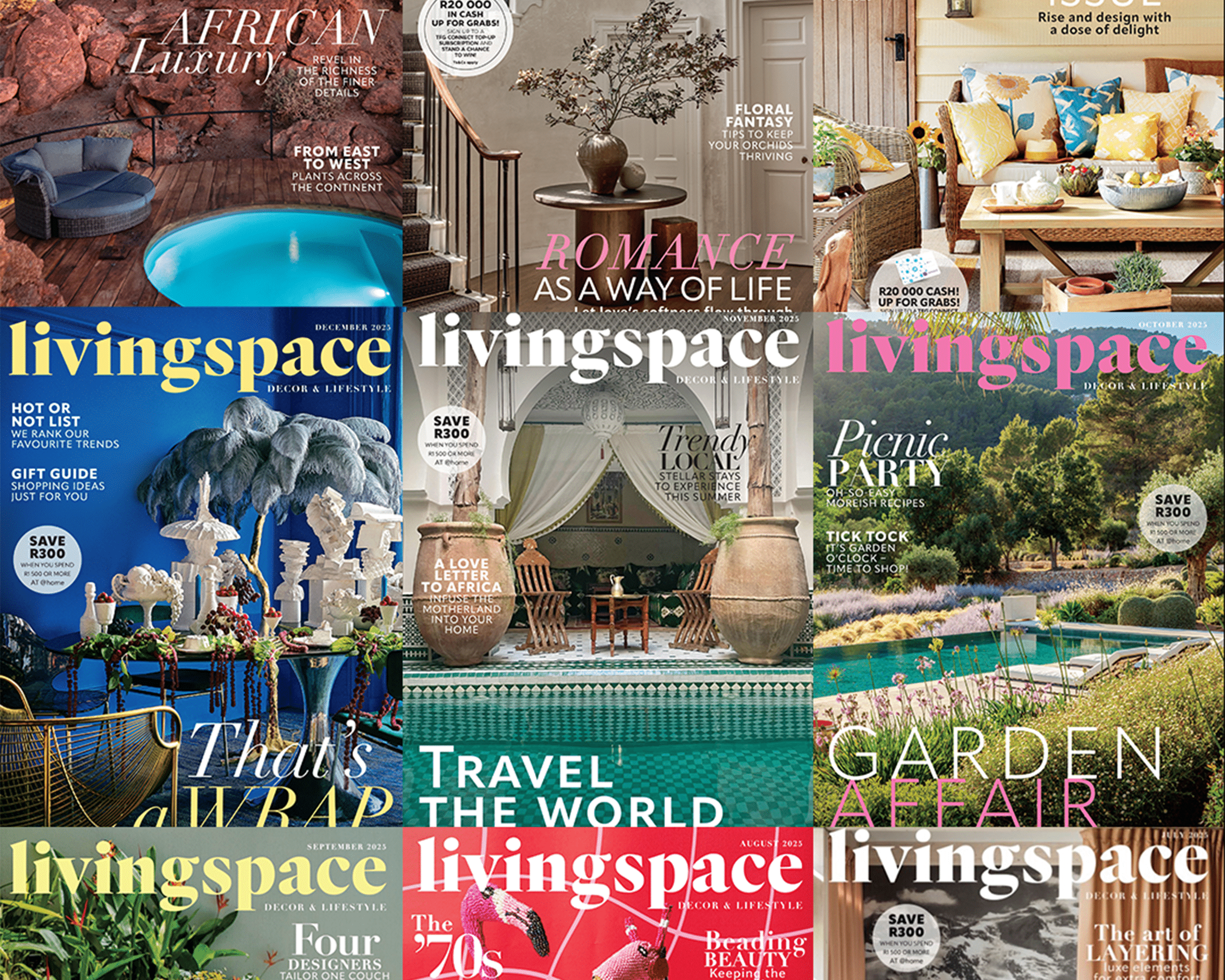
As Livingspace takes its final bow, we trace the trends that defined the decades and shaped our homes — from 2010 to now.
A home, like a magazine, tells a story. It is incredibly personal – an extension of who we are, who we were and who we’re becoming. Our tastes are shaped by memory, culture, aspiration and instinct, but trends have always acted as gentle signposts along the way. They mark time. They mirror moods. They tell us what the world was craving in a particular moment.
When Livingspace was born in 2010, the world – and the way we lived – was shifting. Since then, this magazine has guided readers through the evolution of interiors with curiosity, discernment and heart. From the rise of DIY culture to millennial grey, from maximalist joy to the language of African luxury, this magazine has not just documented trends — it has lived with them. As we close this final issue, we look back at two decades of decor through the Livingspace lens.
As we closes this chapter, the story of interiors continues — evolving, adapting and reflecting not just who we are, but how we live. Trends will come and go, but the heart of a home remains constant: it is a place to return to. To express yourself. To belong.
The 2010s
The early 2010s were shaped by restraint and resourcefulness. In the shadow of the late-2000s recession, homes leaned into honesty: raw materials, visible imperfections and pieces with a past life. The overly polished gave way to the tactile. Texture mattered. It was the beginning of a more emotional relationship with interiors — one that Livingspace instinctively understood from its very first pages. As this sensibility grew, it paved the way for the defining home trends of the 2010 era.
Pink had a moment
The 2010s were bold in colour, driven by a new desire to be seen. Instagram launched in October 2010, and suddenly interiors were no longer just lived in, they were documented as well. Blush pink quietly entered our homes early in the decade but by 2016, millennial pink had become a cultural shorthand for softness, optimism and modern femininity. No season, collection or space was complete without a hint of pink – warm, playful and surprisingly timeless.
Going green
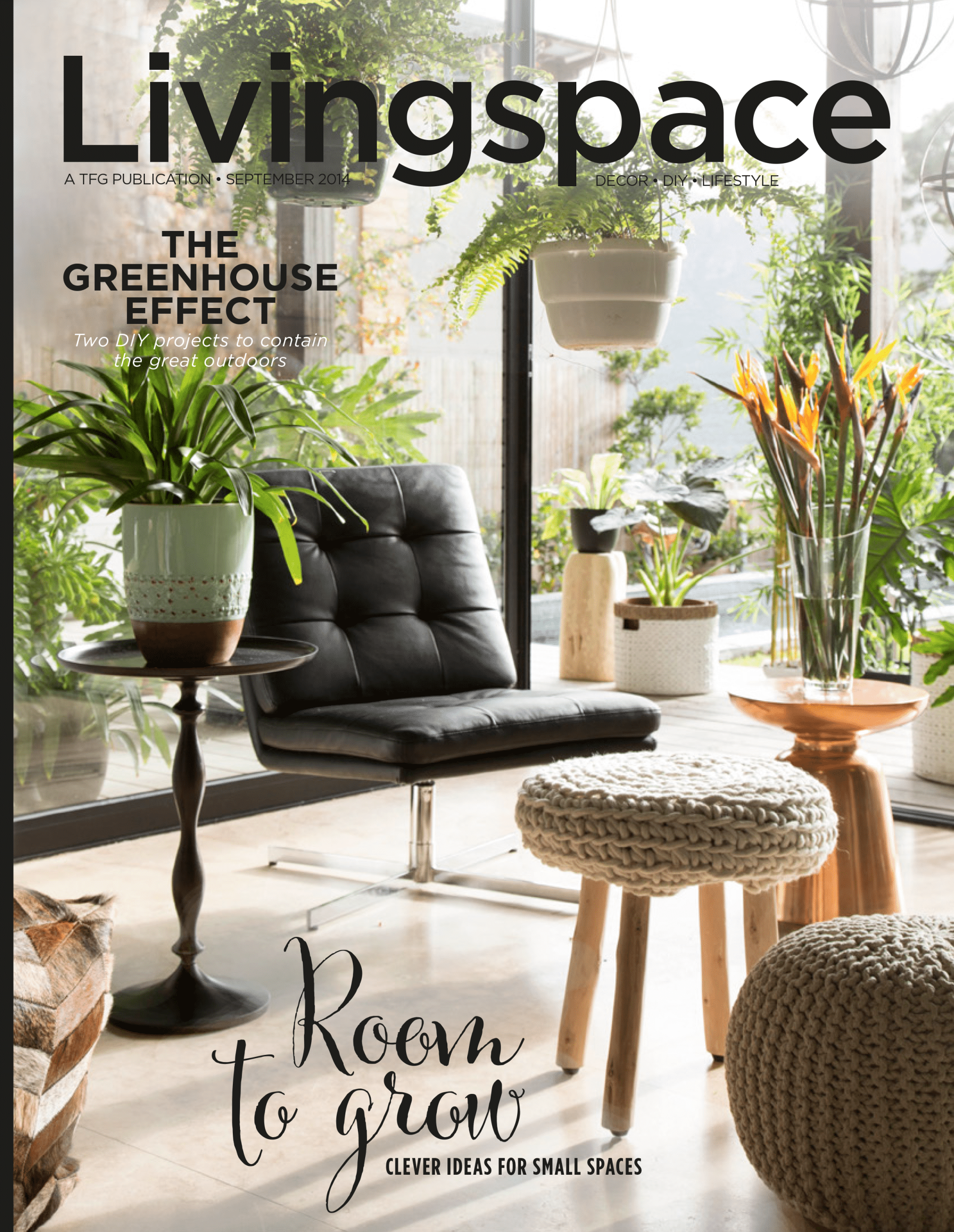
From 2015 onwards, greenery moved from just an accent to an obsession. As social media crowned a new generation of “plant parents”, homes began to fill with life. Monstera leaves unfurled in living rooms, palms softened hard architectural lines and trailing vines turned shelves into scenes worth photographing. Green also became the colour of the decade in more ways than one. From deep emerald to turquoise-tinged hues, it worked its way onto walls, tiles and textiles.
Industrial core
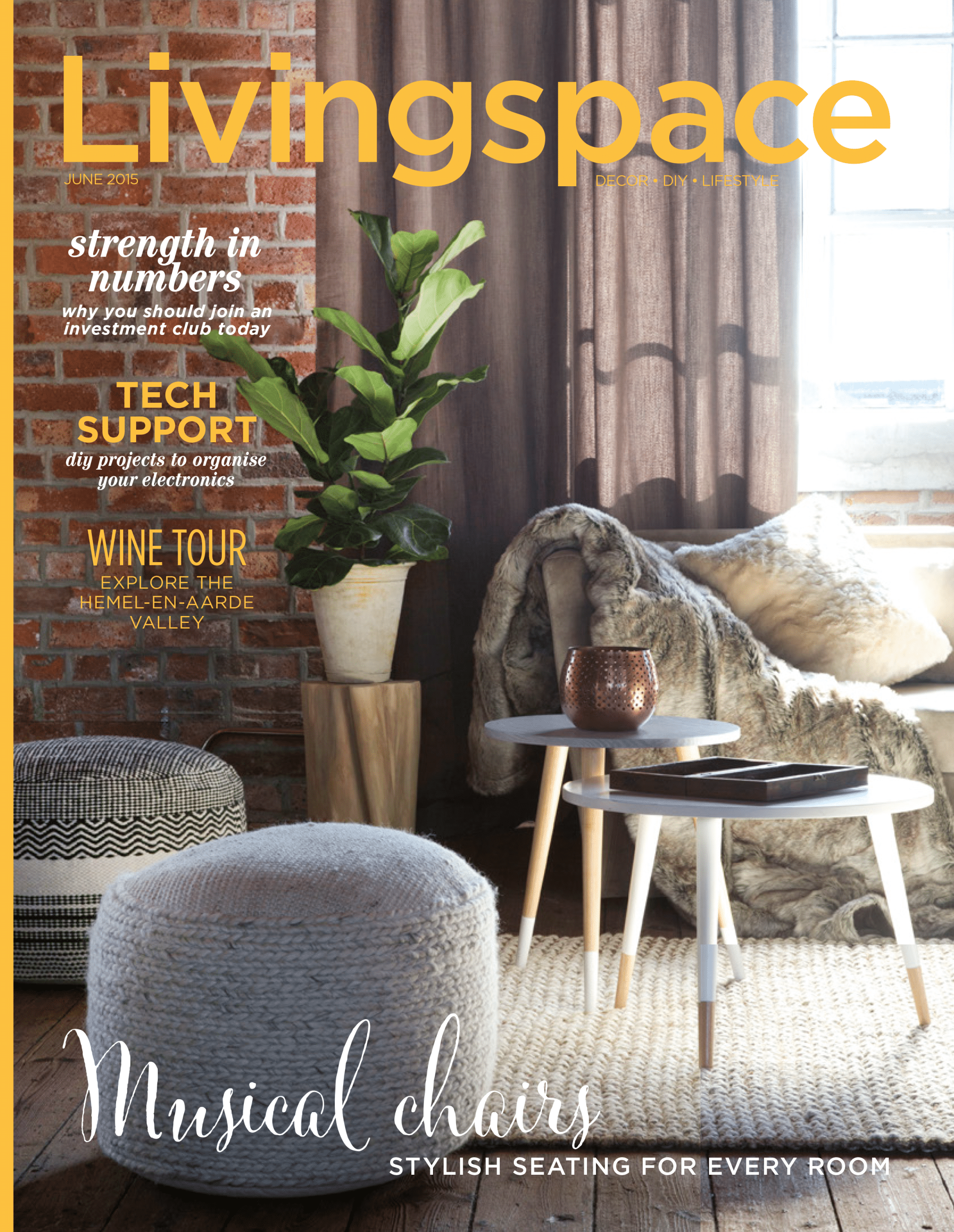
The industrial trend came into its own as a rebellion against the glossy interiors of the early noughties. Salvaged furniture, exposed brick, concrete floors and reclaimed wood defined the look. Upcycling wasn’t just practical – it was political, creative and cool. Spaces felt assembled rather than styled, layered rather than finished. A little more rough around the edges, and proudly so.
Let it shine
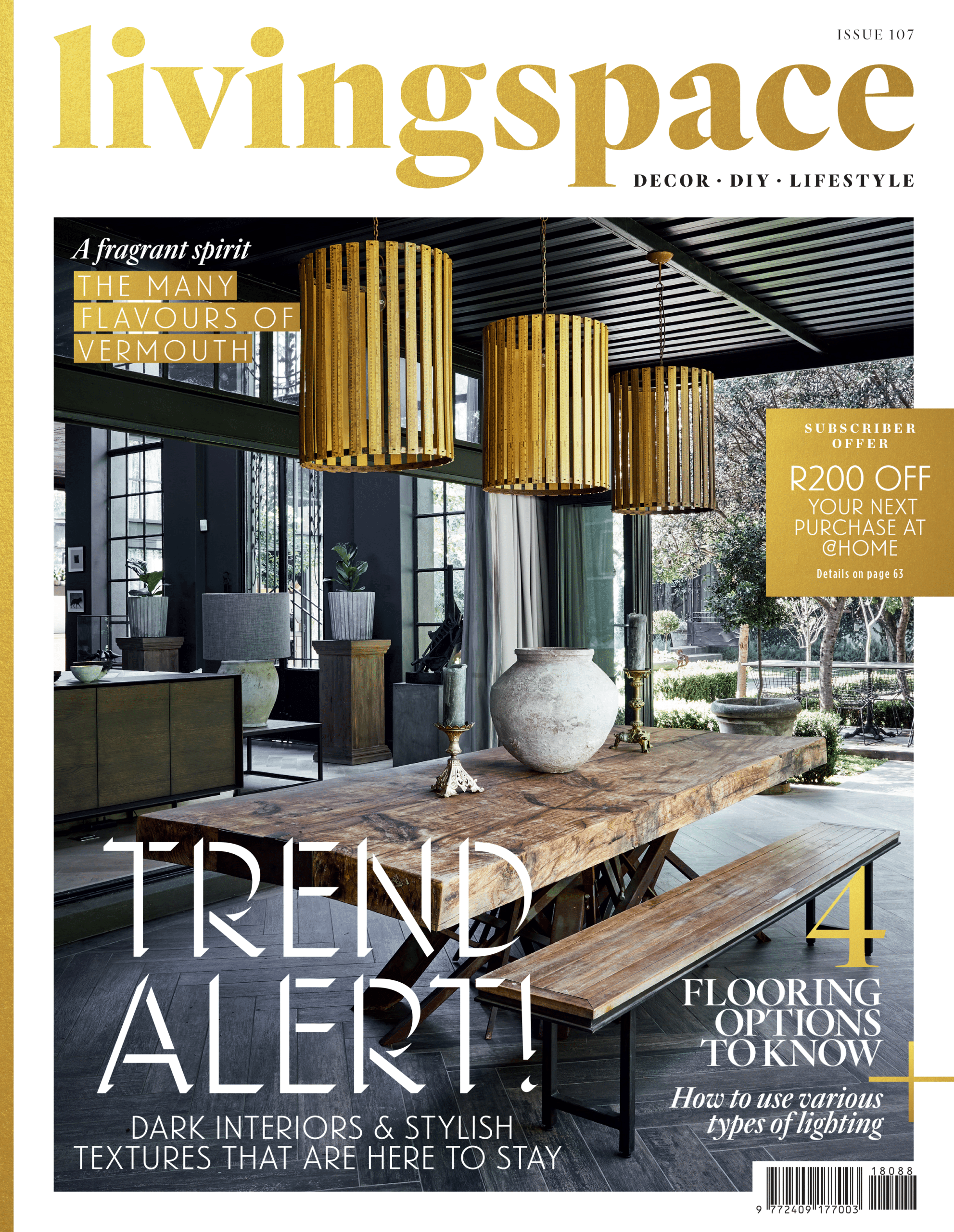
Once dominated by chrome, the decade quickly warmed up. Gold and brass shed their “blingy” reputation and re-emerged as refined, grounding accents. From taps and lighting to furniture and tiles, metallics brought glow and gravitas. Copper followed closely behind, first introduced through industrial piping and later embraced for its warmth and versatility.
The 2020s
If the 2010s were about discovery, the 2020s have been about depth. A collective shift towards comfort, sustainability and meaning redefined how we think about beauty at home. Minimalism softened and perfection loosened its grip. This is the era of lived-in luxury – where quality trumps quantity and spaces are designed to hold real life. As this new philosophy took hold, it shaped a set of unmistakable home trends in 2020.
Off-trend, on purpose
Perhaps the most defining shift of the 2020s has been the rejection of “fast interiors”. Instead, homeowners sought pieces that felt one-of-a-kind – collected, inherited, discovered. Art took centre stage and personality became the ultimate luxury.
The return of maximalism
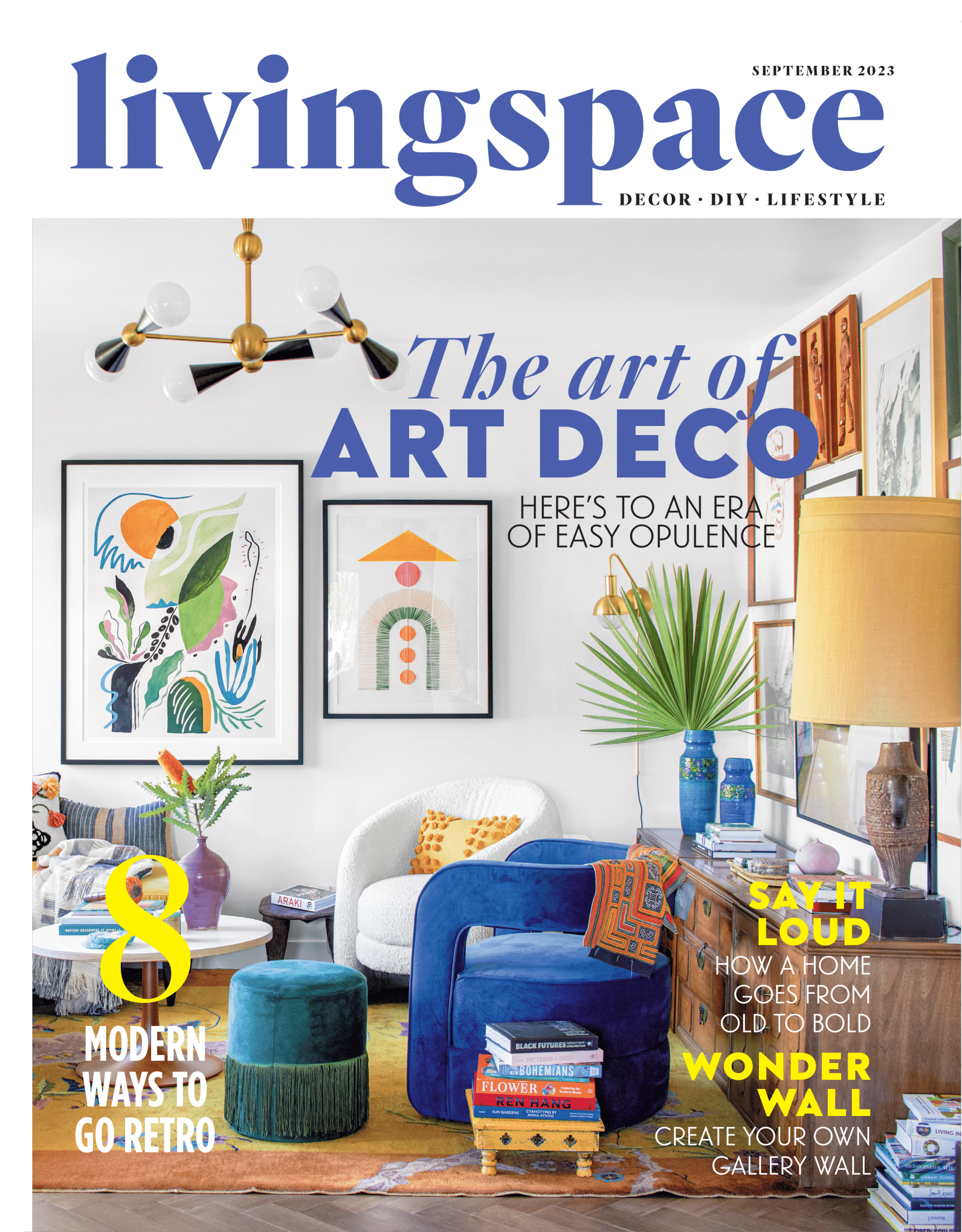
After years of restraint, joy returned – loudly. Patterned wallpapers, vibrant colours and mixed textures celebrated individuality and creative freedom. Maximalism was not viewed as chaos, it was curation with confidence. Homes became deeply personal again, layered with memories, art and emotion.
Mix & match
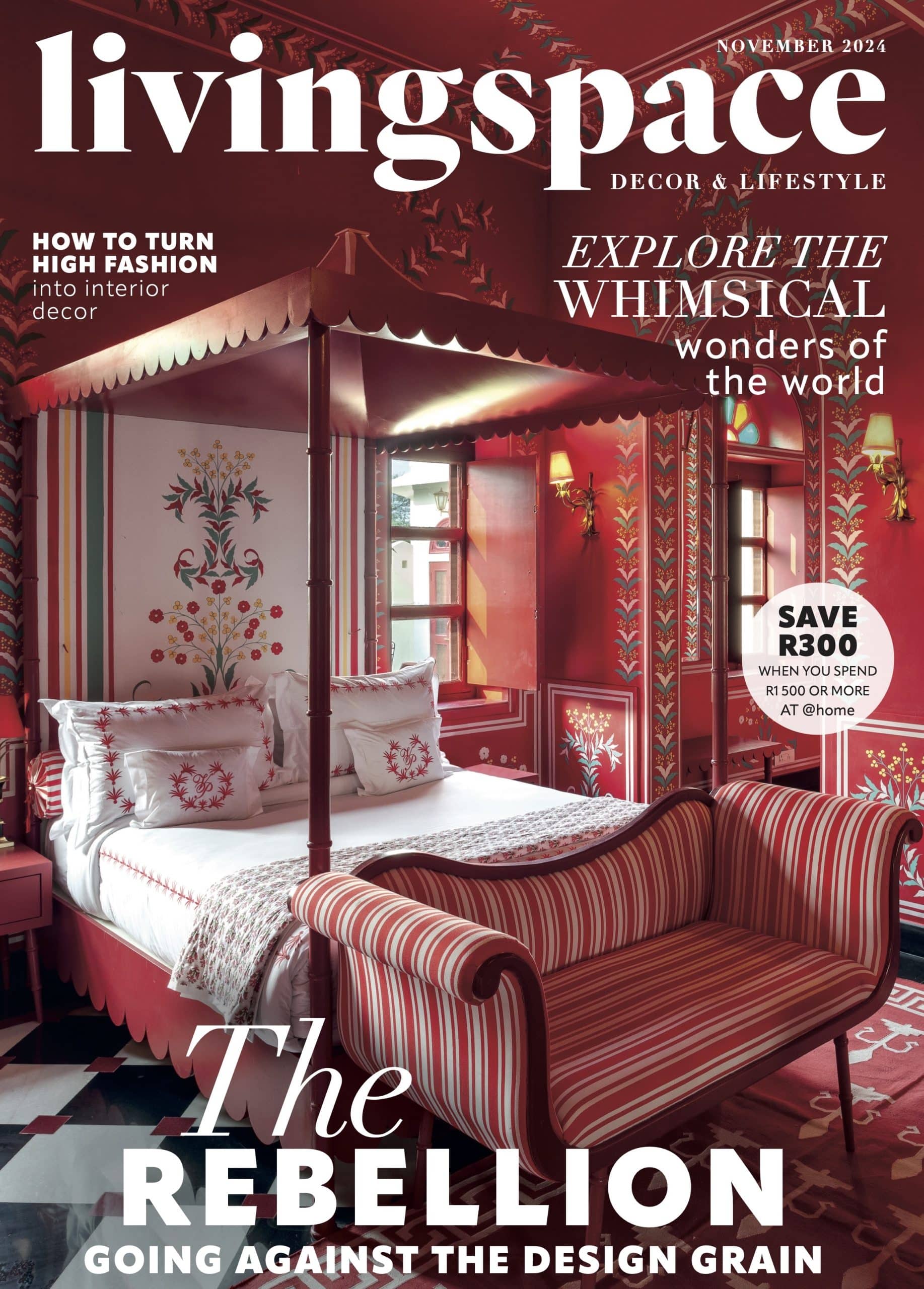
Matching gave way to mixing – a deliberate, confident clash that felt both intuitive and elevated. Warm brass conversed effortlessly with burnished copper, while tweed brushed up against velvet. Wool softened stone, linen tempered leather and suddenly texture became the new neutral. These were spaces designed to be felt as much as they were seen: rich, tactile and thoughtfully composed, where restraint lived comfortably alongside depth and detail.
Nature, indoors
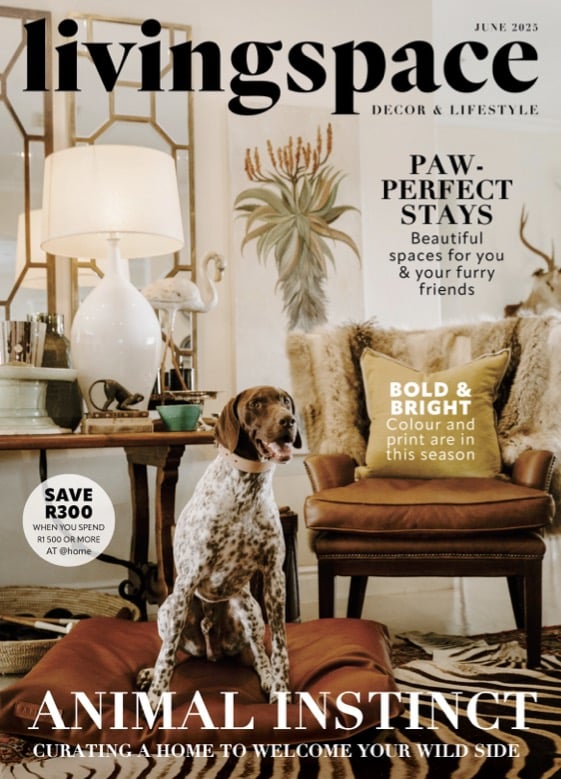
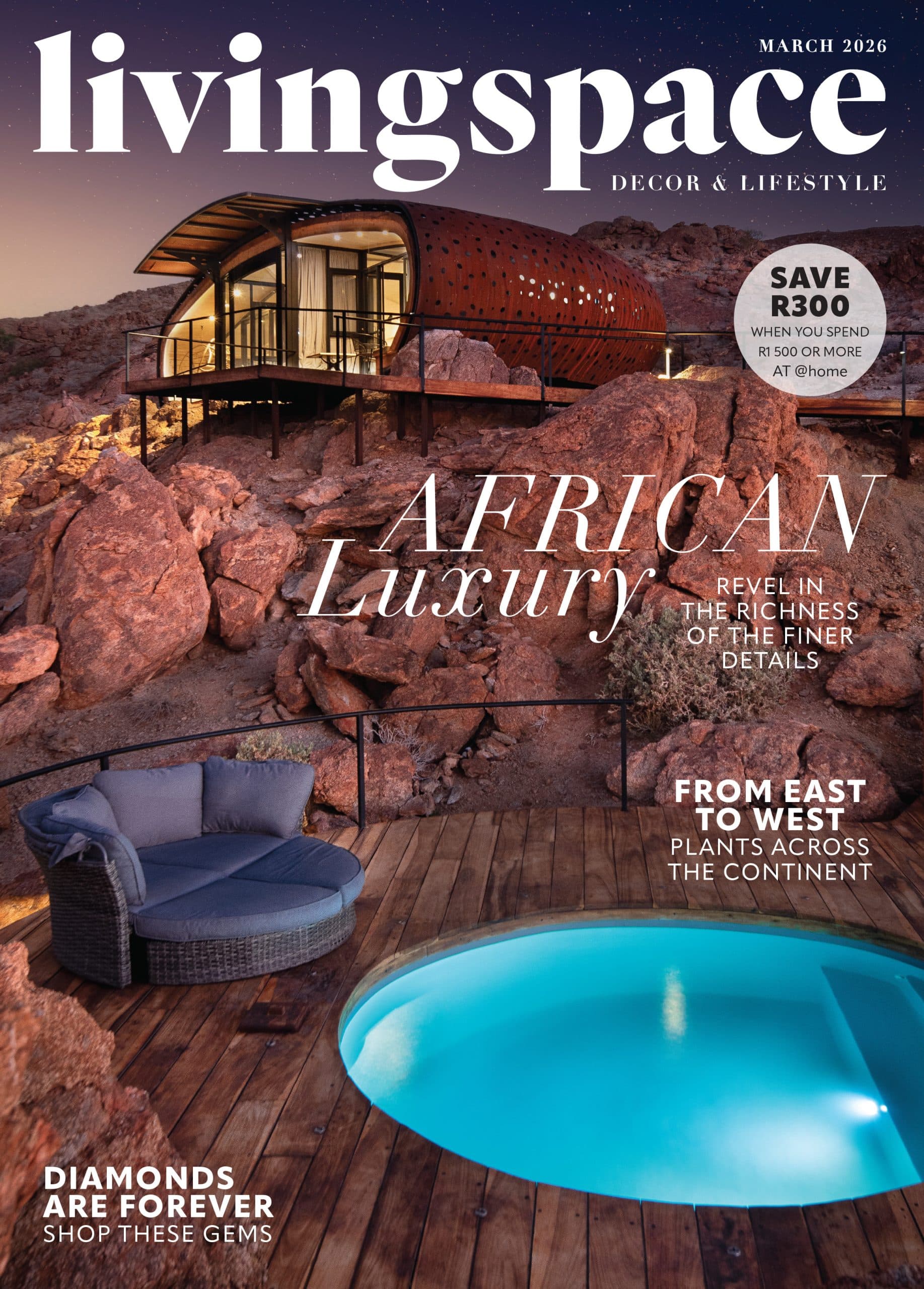
Biophilic design also became an integral design philosophy for many. Cane, rattan, jute, raw wood and stone reconnected interiors with the natural world. Indoor gardens, living walls and earthy palettes restored balance and calm. Nowhere was this more eloquently expressed than in the rise of African luxury: organic, soulful and rooted in place.
Words: Mecayla Maseka
Photography : Supplied