
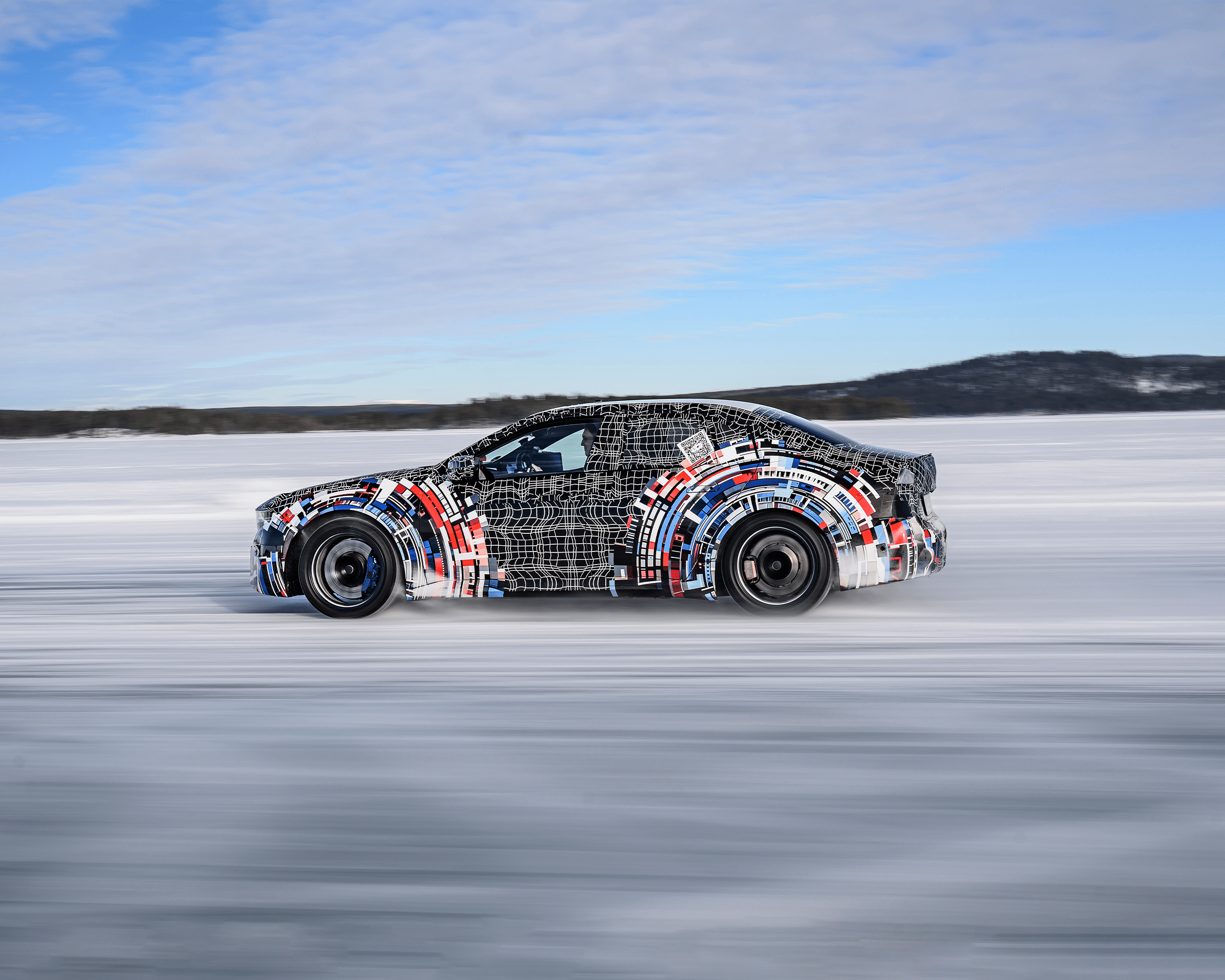
BMW has confirmed a shift to fully electric M3 models coming soon, a move that marks a clear break with the M3’s internal combustion past and sets distinct engineering targets for the brand’s performance arm.
The new electric model will arrive in 2027, and motoring journalists are abuzz with anticipation, predicting that it might be one of the best-driving electric vehicles around based on the specs.
Originally launched in 1986 (as a special for Group A racing), the BMW M3 quickly established the template for what a driver’s saloon should be: light, balanced and direct. The M3’s weight-to power balance, exceptional handling and the way it rewards driver inputs made it the benchmark for decades.
It combined track credibility with everyday usability, which kept the badge relevant to both purists and buyers who need to carry a briefcase and a bag of groceries. That heritage sets a high bar for any electric successor.
What changes with electric?
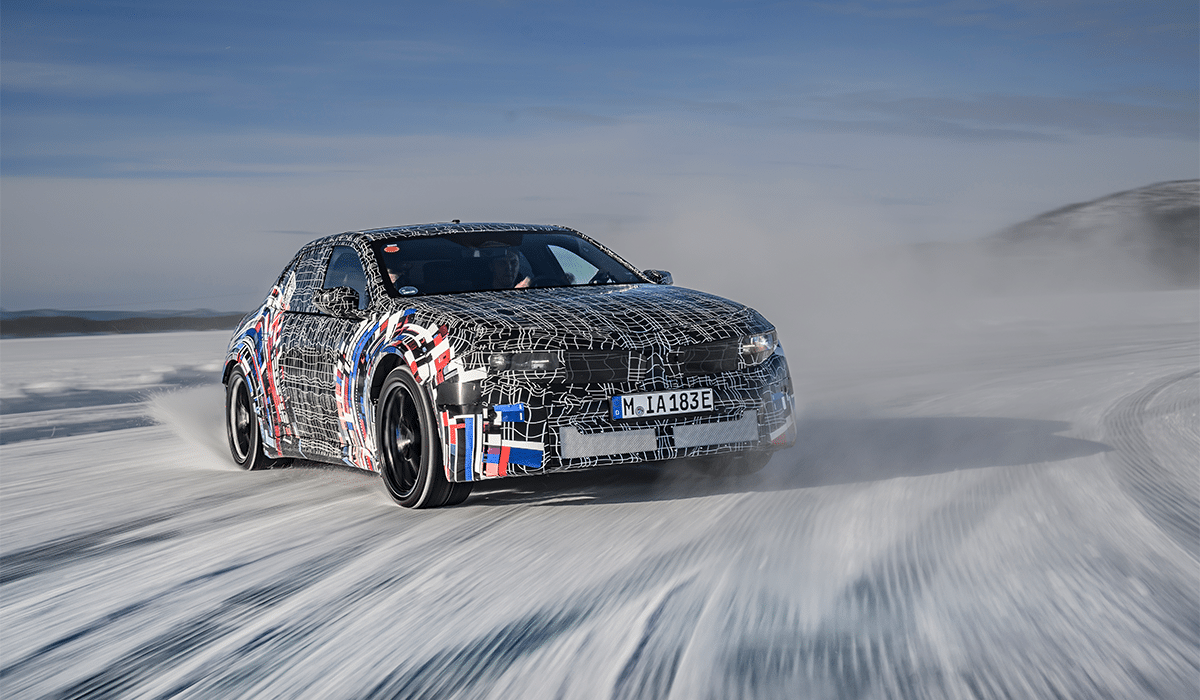
Electric power alters the fundamentals. Batteries add mass and shift the centre of gravity lower, which helps cornering grip but can blunt the agility that comes from a lighter, better-balanced chassis. On average, this can add a few hundred kilograms, roughly 20 to 25% more mass versus comparable internal combustion engine models, a not insignificant factor for handling and tyre load.
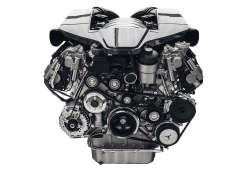
With increased mass comes altered balance, and that, in turn, affects the overall driving experience, especially in the high-performance range where M3 diehards extract the most reward. This is perhaps the biggest drawback. So much of what makes the M3 the M3 is its character. A high-performing phenom that draws its identity from its deeply mechanical roots. The rumble, growl and reaction of internal combustion, in the minds of many, is the defining characteristic and one that cannot be adequately substituted.
But, for those with somewhat less vehement ties to this particular aspect of the M3’s makeup, the overall experience may still be intact. Electric motors (this model will have four, one for each wheel) deliver instant torque, which improves launch times and in-gear response.
BMW sees the electric M as a technical opportunity. It has stated that fully electric M cars will set new performance standards, with bespoke battery and cooling systems aimed at repeatable high-performance us
Also read: 7 Essential car maintenance tips before you hit the road
Preserving the M personality
Sound, software and interface design will be crucial moving forward. BMW is already recording the sound of heritage M engines to blend with interior acoustics that support driver engagement without pretending to be an old-school internal combustion engine.
Beyond simply sounding good, the sound element still matters because M drivers rely on what they hear to judge speed, eff ort and momentum. BMW does not need to copy the old engine note, but it does need to give the driver clear feedback that matches how the car is performing.
Beyond sound, careful tuning of power delivery and driving modes can keep the car feeling playful when you want it to be, and secure and stable when you’re pushing hard.
@bradparsons95 M3 is so loud it bursts your ears 😮 #fyp #bmw #bmwg81 #m3touring #foryou ♬ original sound – Brad Parsons
Performance & the field
Benchmarks already exist. The Porsche Taycan has shown that an electric performance car can be extremely fast and still deliver that performance again and again without fading. Audi and Mercedes now off er electric saloons with similar straight-line pace.
For BMW, matching headline acceleration will not be enough. The electric M3 will need to feel consistent when driven hard, stay composed through corners and give the driver confidence to push every time.
The gains are easy to identify. Electric power brings instant response, strong grip and new ways to shape how a car behaves on the road.
The losses are more emotional, with extra weight and the absence of the familiar inline six soundtrack. Whether speed and precision can replace that connection will come down to how well BMW tunes the overall driving experience. If the car feels balanced, engaging and confidence-inspiring from behind the wheel, an electric M3 can still live up to its badge.
Words: Tshiamo Seape
Photgraphy: Supplied
Also read: Can your car’s tyres handle winter’s wet conditions?