

Rugby continues to thrive despite certain setbacks off the field and new laws have been brought in to help the game grow a wider appeal
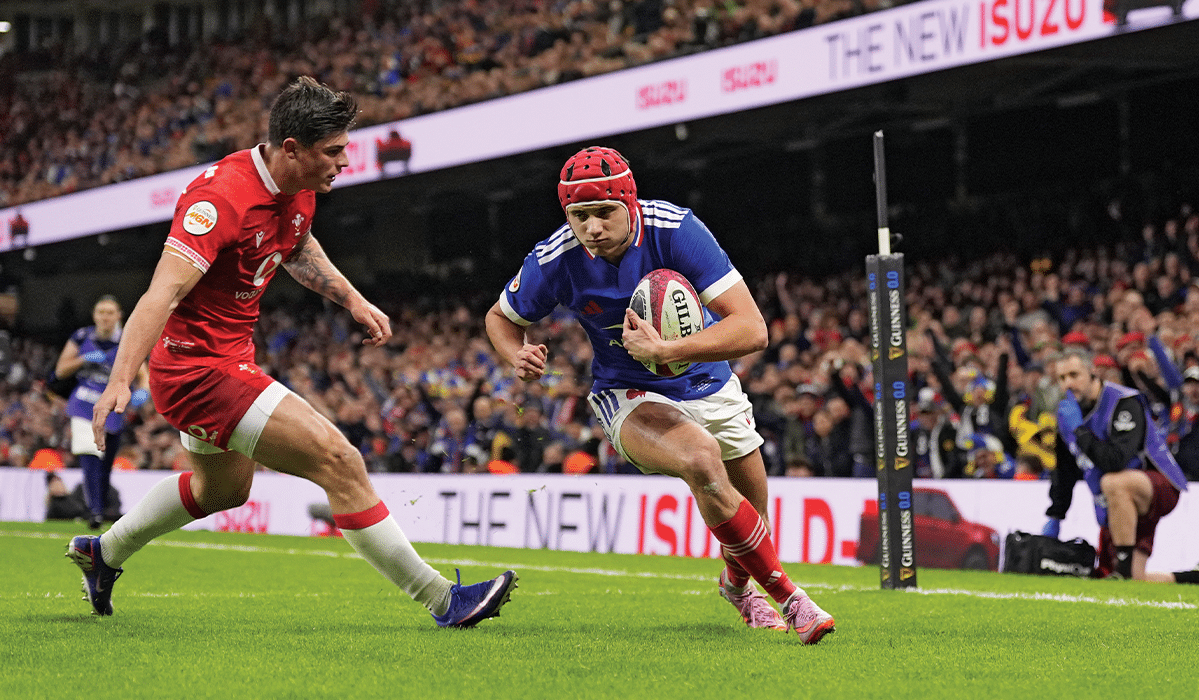
Rugby has never been in a better space. The recent Six Nations was widely acknowledged as one of the most competitive in history, with Italy beating England for the first time, Scotland scoring 50 points against eventual winners France, and fullback Thomas Ramos kicking a last-gasp penalty against England to steer Les Bleus to glory and deny Ireland the title. Records tumbled over the course of the northern hemisphere showpiece, with 111 tries scored overall, and with France winger Louis Bielle-Biarrey breaking his own record, by dotting down nine times.
@sixnationsrugby 22 years old. 27 caps. 29 tries for Louis Bielle-Biarrey. 🤯 How far can he go? 💎 #sixnationsrugby #since1883 #guinnessm6n #rugbytok #rugby #xvdefrance ♬ son original – Guinness Men’s Six Nations
Attacking rugby is in the ascendancy in this World Cup cycle, if one considers that the Springboks – the southern-hemisphere’s leading team as well as the No.1 side in the world – broke their own records across the 2025 Test season when they scored 81 tries and 572 points.
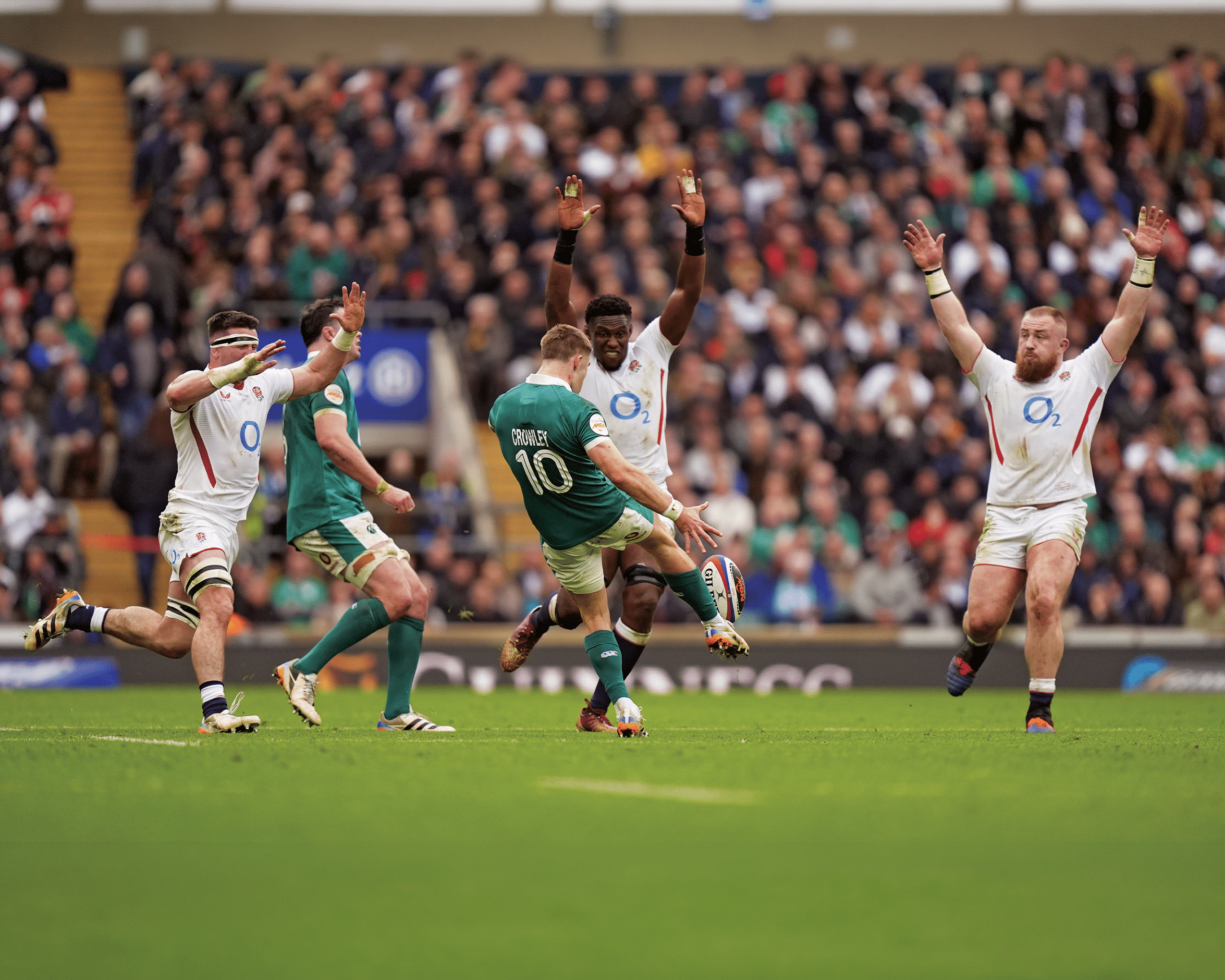
While the tries and points are flowing, the contest for possession at set pieces like the scrum and lineout are fiercer than ever – and contrary to what some might believe, an increase in the number of kicks from hand and aerial contests has contributed to the spike in tries and points.
Does the game of rugby need fundamental changes at this stage? The numbers above would suggest not.
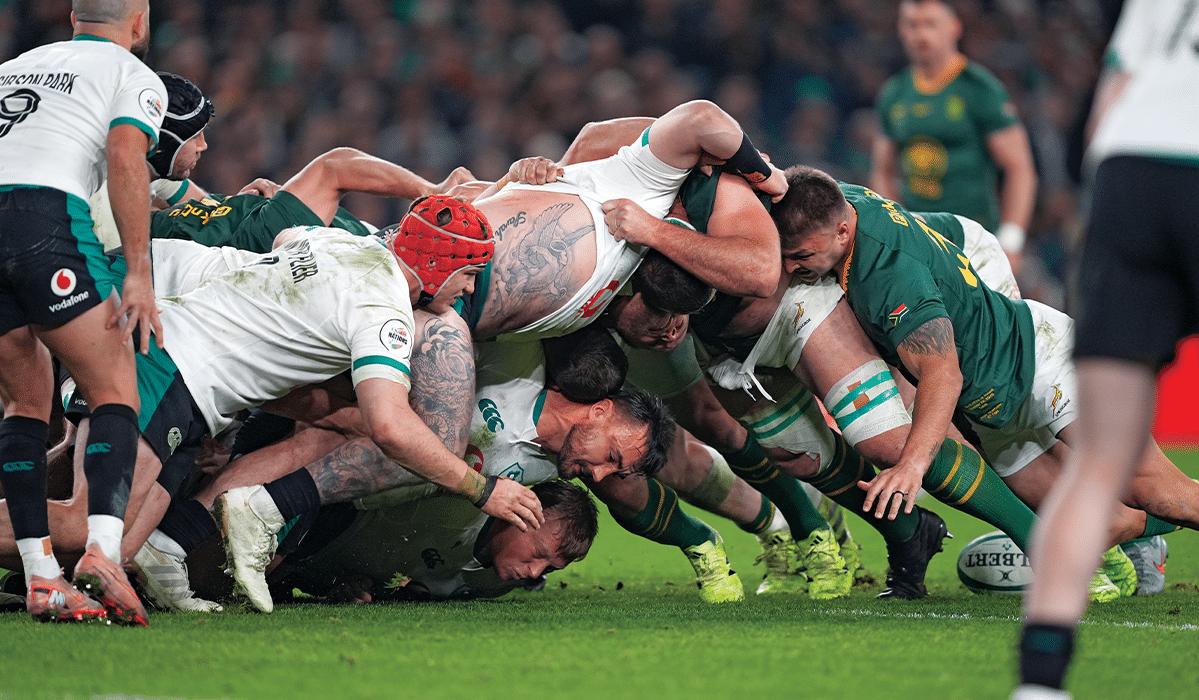
And yet, there are parts of the community that would see the scrum – one of the sport’s defining features – reduced and depowered. Some feel that the set pieces are slowing the game down, even though the data shows how scrums, lineouts and mauls create space for the attack, and directly contribute to tries and points.
Earlier this year at the Shape of the Game conference in London, Springbok boss Rassie Erasmus and France coach Fabien Galthié led the pushback against the proposed changes to the set pieces.
The war may be far from over, but for now, the battle for rugby’s soul has been won. At the very least, the game’s laws will remain unchanged until after the 2027 World Cup in Australia.
“We’re satisfied that we gave our opinion and that World Rugby will make decisions with proper input,” Erasmus said.
Former Ireland fullback Felix Jones, who serves as one of the senior assistant coaches in the Bok set-up, explained why it was necessary to challenge the negative narrative around kicking and scrums.
“That was a narrative that was put out there, with not a lot of facts behind it,” Jones said. “The numbers are pretty conclusive: scrums aren’t increasing due to a spike in contestable kicking.
“That actually came up a few times at the Shape of the Game conference in London. In the end, there was a lot of positivity around the aerial contest and what it’s doing for the game, as it’s correlated with more line breaks, more tries, which everyone loves to see.”
“The thing is, when you see a contestable kick go up, no one says this is going to be boring for the next two minutes… everyone has a sense of anticipation, there’s going to be some sort of athletic contest to win the ball back, and a dynamic piece of play afterwards.
That was the great thing about going to London, we got to see how much buy-in there is for rugby having a contest – whether it’s a scrum, maul or an aerial contest. The contest is unique to rugby union and we have to keep driving that.”
Administrators in Australia and New Zealand, however, are attempting to steer the game in a different direction.
Earlier this year, the Super Rugby Pacific tournament implemented several new law variations, such as replacing certain scrum options with a free-kick, with the aim of boosting the tempo of play.
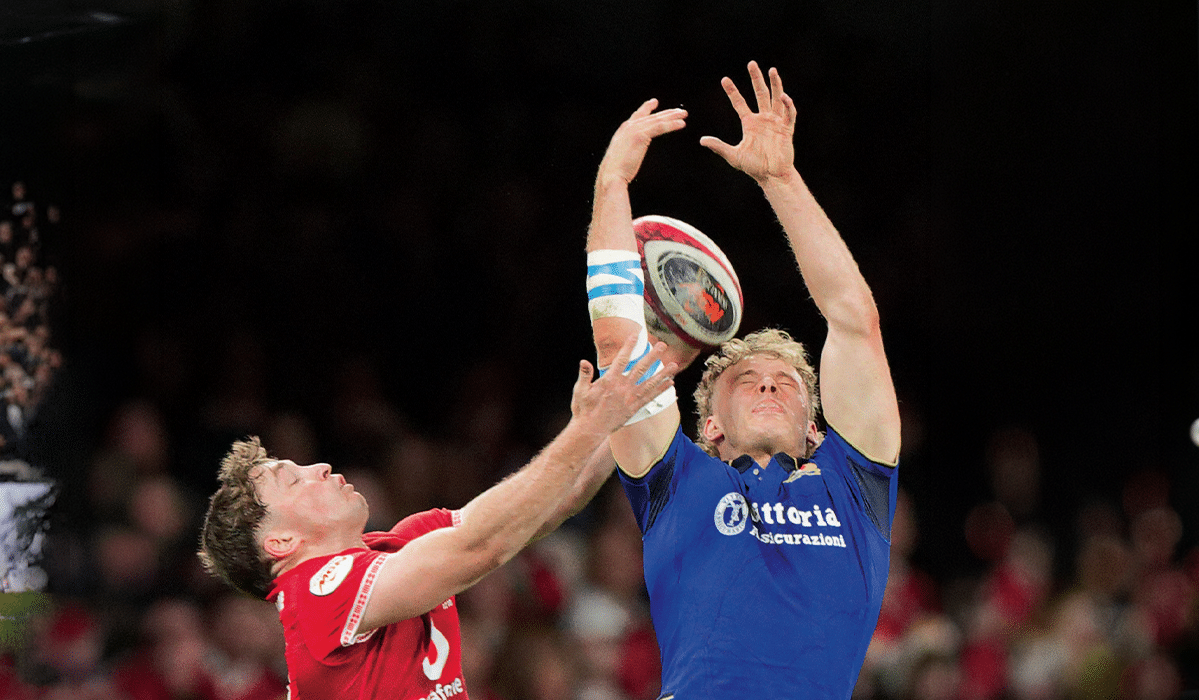
The Australasians are not fans of the kick contest either, with former and current players complaining about the lack of protection for the receiving player in these scenarios – even though this has led to broken-field situations and better attacking opportunities across the board.
“Some of the World Rugby rules right now, I mean far out,” Hurricanes and All Blacks utility back Ruben Love told SkySports NZ. “There’s no support in the backfield, so World Rugby, if you’re watching, change that rule asap.” Jones and the Boks – as well as others France, Ireland, Italy and even ball-in-hand maestros like Scotland – are reaping significant attacking rewards from the kicking tactic and the chaos that ensues if the ball bounces loose.
“We’ve seen how important it is to be able to adapt during those transitions,” said Jones. “Teams are getting creative, largely due to the increase of contestable kicking.
“It’s difficult from a defensive view, because you don’t have a reference point, but on the flip side the opportunity that comes with the broken field, to play what’s in front of your face, the skills and athletic profiles that you can exploit are massive.
“A lot of attack coaches are getting excited the second contest when the ball bounces loose, and defence coaches are having to think about it, on top of the actual aerial contest itself” Mzwandile Stick, Bok coach, believes it has been great for the game.
“The game has changed for the better in terms of these contests,” he said. “I understand in the past when supporters got frustrated by the kick tennis, because it seemed like nothing was happening for long periods of time. Now there are more contests, and more opportunities, and the fans are probably getting more value for their money.”
Springbok defense coach Jerry Flannery pointed out that these scenarios are difficult to manage for the defensive side, but the better teams will find a way.
“You’ve got to look at the pressure you can exert on the quality of the opposition’s kick,” said Flannery. “Then it’s about how you align your players, firstly in the air, giving you the best chance to win the ball back, and on the ground if the ball goes loose.
‘In the past, attacking teams would take a quick tap or a quick throw to catch the defence unstructured. These days, the best way to do that is through the contestable kick, and it’s happening just about every second or third kick, the game is being blown wide open.
“It is a challenge for the defence, but it’s been good for the game.”
Will rugby ever have a global season?
Leading players from South Africa and Argentina are currently subjected to a never-ending season, with the northern hemisphere club schedule stretching from September to June, and the southern hemisphere Test calendar running from July to November.
Player welfare advocates and conditioning experts have called for a more streamlined season, which will ensure that the game’s stars have sufficient opportunity to rest.
The topic was broached at the Shape of the Game conference in London earlier this year, and it remains to be seen if the northern and southern hemispheres will align in the coming years.
‘We need it for player welfare, and to get more international players competing in the club competitions” said SA Rugby CEO Rian Oberholzer.
“Something will have to give somewhere – either the Rugby Championship will have to be earlier in the year or the Six Nations a bit later. We need a window for Test rugby and a window for club rugby. How do you fit all that into 365 days? That is the challenge”
“There is a working group working on it [at World Rugby]. They hope that by 2027 we will be in a position to know if there will ever be a global season.”‘ Springbok head of athletic performance Andy Edwards agreed that it needs to be implemented sooner rather than later.
“A global calendar would globalise rest periods and solve a lot of the existing player-welfare problems, Edwards said.
Words by: Jon Cardinelli
Images: Andrew Matthews BackPagePix