

Your home environment can quietly impact your physical and mental health. Here’s how to ensure your décor choices support your family’s well-being.
Your home environment can quietly impact your physical and mental health. Here’s how to ensure your décor choices support your family’s well-being.
The choices you make
We often think of home décor in terms of what is practical, comfortable and looks attractive. But the choices you make – from lighting, textiles and furniture to storage and cleaning routines – affect more than just the look of your home: they can also impact your well-being. Here are a few important considerations.
Look out for allergies
The health of your home shouldn’t be taken lightly, particularly if you have children. A third of South Africans will suffer from some type of allergy during their life, and 40% of sufferers are children, says the Allergy Foundation South Africa (AFSA).
Atopic eczema is a common, chronic, itchy skin rash that tends to affect people with other allergies like hay fever and asthma. While your décor choices might not cause eczema, they can aggravate the condition.
Anything from heavy-textured fabrics like blankets, thick fluffy carpets and curtains to air fresheners and laundry detergent can irritate skin further. Opt for natural fabrics like 100% cotton for both bedding and towels, and instead of wall-to-wall carpeting, choose wood or tiled floors with rugs that can be moved and cleaned. Similarly, choose easily washable curtains or blinds instead of heavy drapes.
Allergies and eczema can affect more than your child’s skin. “These children do not sleep well at night and therefore may not focus optimally at school. The rash often impacts on their appearance, too. Young eczema sufferers are frequently teased, bullied or excluded from social groups. They suffer both physical and emotional consequences, resulting in failure to learn to their full potential,” says AFSA.
If you notice any changes in your or your child’s physical appearance or behaviour that suggests an allergic reaction, or affects day-to-day functioning, see a doctor who can pinpoint the problem and suggest ways to manage the allergy.
Another common concern is dust mites, which are linked to allergic reactions. They live in beds, carpets and upholstery and while it’s nearly impossible to eradicate them, you can reduce their impact.
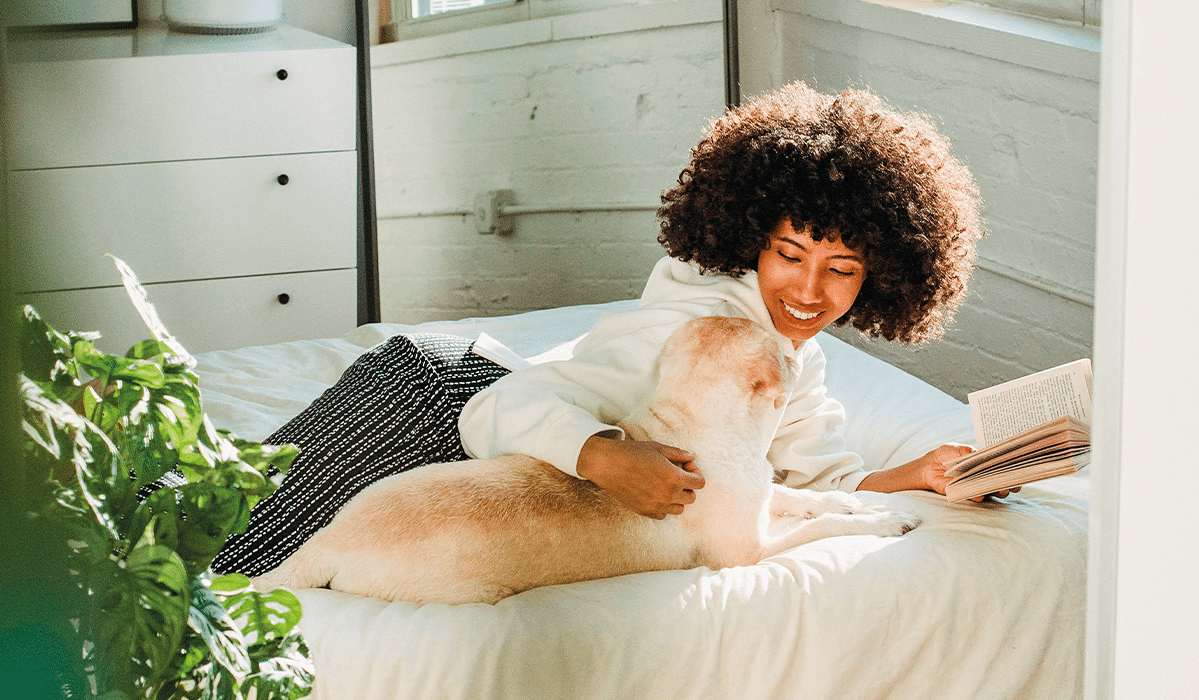
“The bedroom is the most important room to focus on because people spend an average of one third of their lives there, with their faces in direct contact with the items living in their bed,” says AFSA.
How to prevent dust mites in your home:
- Cover your mattress completely with a special mite-proof fabric.
- Wash bedding at a high temperature (60°C) once a week.
- Ensure that any carpets, curtains and upholstered items are washed regularly.
- Pack your child’s soft toys away when not in use to prevent dust gathering.
@mama_mila_ Say goodbye to dust around your home 👋 which tip will you try first? 1. Line tall shelving with newspaper to keep dust away. This allows the dust to collect on the paper which can be easily switched out 2. Mix 1 cup water, 1/4 cup white vinegar and lemon oil to make a DIY dusting spray that captures dust 3. And you can use this mix to keep windowsills clean 4. Use lint rollers to rid dust from tricky areas of your home 5. And always vacuum your cushions to capture hidden dust Hope these were helpful lovelies x #dustinghacks #dustingtips #homehacks #cleaninghacks #cleaningtips #homesweethome ♬ ETA – NewJeans
Be mindful of mould
Mould and mildew grow wherever there is constant moisture, and can show up on ceilings, wood, paint, wallpaper, tiles, pipes, appliances, carpets, fabrics and upholstery.
Mildew is a surface fungus that is usually white or grey, flat and powdery. It is easily scrubbed off using a cleaner or vinegar.
Mould appears slimy or fuzzy, and comes in a variety of colours. It is more invasive and can be much more difficult to remove, and may require professional cleaning.
While mould exposure may not affect some people (unless it’s a highly toxic mould), it can cause health issues in others – asthma, sore throat, coughing or wheezing, burning eyes or a skin rash. People with asthma or who are allergic to a specific mould may have severe reactions.
How to prevent mould in your home:
- Use an air conditioner or dehumidifier to keep humidity levels low (no higher than 50%). This also controls dust mites.
- Encourage the flow of fresh air.
- Fix any leaks in the roof and walls, and maintain plumbing.
- If there has been a leak or flooding in your house, clean it up quickly and dry the space out properly within 48 hours.
- Remove or replace carpets and upholstery that have been soaked and can’t be dried right away.
- Add mould inhibitors to paints before painting walls and surfaces.
- Clean bathrooms regularly with mould-killing products.
@bmstorestv5 EASY Hacks to Prevent Damp & Mould in Your Home 🏠✨ No one wants damp walls or mouldy corners… so here are 5 simple fixes you can do this week to keep your home fresh and healthy ✅ The 5 Hacks: 1️⃣ Use moisture absorbers in key spots 2️⃣ Keep furniture slightly away from walls 3️⃣ Dry clothes smarter (hello airflow 👋) 4️⃣ Ventilate daily. Especially bathrooms + kitchens 5️⃣ Tackle mould ASAP before it spreads Small changes = big difference 🌬️🧽♬ original sound Stores – B&M
Remove the clutter
Nawaal Schroeder, an occupational therapist at Netcare Akeso Alberton, says that clutter is harmless if it’s temporary and if there’s a reason behind the chaos – for example, if it stems from a home project or hobby. But there could be more to it.
“Excessive clutter that stems from poor organisation, procrastination or non-disposal of household items (hoarding) can lead to an increase in anxiety, stress and depression.
This may stem from a feeling of shame that arises from a home that is less pleasing to the eye, and not being able to locate items used in day-to-day life due to poor organisation.”
Feeling overwhelmed can also stem from how your spaces are furnished – bulky chairs in a small living room, for example, can quickly change the mood from comfortable to chaotic, so pay special attention to balance when decorating your home.
@lucytknight88866 5 Easy Steps to Make Your Home and Your Mind Clutter-Free. @melrobbins #fyp #fypシ #fypage #clutterfree #motivation #howtodoit #declutteryourhome #selfhelp #reason #fypシ゚viral #betterlifestyle #lessstuff #takecontrol #inspried ♬ original sound – Happiness Wellness & Fitness
Embrace nature
“Optimal exposure to natural light during the day has been linked to improved mood.
If we expand on this, there are links to lower levels of anxiety and depression in individuals who have more exposure to natural light than those who do not,” says Nawaal.
“It’s also linked to improved sleep quality, since optimal exposure to natural light has been shown to play an important role in aligning our circadian rhythms.
So, choose lightweight curtains that filter light instead of blocking it, and keep blinds pulled up during the day.
Another way to improve your mood is by taking care of plants, whether you have pot plants, vases of fresh flowers around your home or a garden to maintain.
“Studies of individuals who live in an urban area have shown that spending time taking care of houseplants has a significant positive impact on mental health,” says Nawaal.
“Keeping plants has been linked to an increase in happiness and life satisfaction and decreased levels of stress, anxiety and depression.”
If you don’t have access to abundant natural light or a garden, and can’t trust yourself to care for even a cactus, you can create the illusion of nature in your home with framed photographs or artworks.
@arch.creationstudio Did you know plants have many benefits if we place them in our living environment.? 🪴 🌱 Kitchen: Choose plants that enhance the inviting atmosphere of your kitchen while considering both aesthetics and maintenance. Aloe Vera is an excellent choice, as it adds visual appeal and offers soothing properties for kitchen burns. Bedroom: Improve sleep quality by incorporating plants that purify the air, increase humidity, and produce oxygen. Sansevieria and succulents like Snake Plant are ideal options for the bedroom environment. Office: Enhance productivity and mood by introducing low-maintenance office plants. Peperomia Rubber Plant is a reliable choice that can thrive even when left unattended over the weekend. Bathroom: Opt for plants that thrive in humid, warm environments, such as Ivy and Spider Plants, to create a lush atmosphere in your bathroom. Guest Bedroom: Add greenery to create a welcoming ambiance for guests. The ZZ Plant is a hassle-free option, requiring minimal care and able to adapt to various lighting conditions. #NaturalEnvironment #Neuroarchitecture #Plants #OrganicDesign #Plantsandvegetation #greenlife ♬ original sound – arch.creationstudio
Colour Therapy
Occupational therapist Nawaal Schroeder shares her thoughts on why colour can lead to a better life.
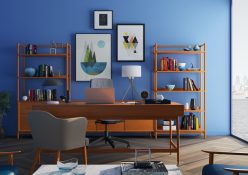
‘Cool’ colours with a shorter wavelength, such as blue and green, give the perception of increased spaciousness. In addition, these colours are stress-busting – they can lower blood pressure and slow heart rate – evoking feelings of calm, focus and relaxation (making them good for bedrooms and living rooms).
‘Warm’ colours with a longer wavelength, such as red, yellow and orange, give the perception of less spaciousness and tend to stimulate an increase in energy. This could evoke feelings of excitement and creativity. (They also stimulate appetite and conversation, making them good for kitchens and dining areas!)
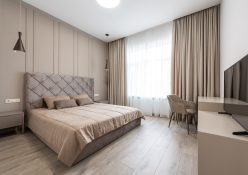
Achromatic or neutral colours, such as white, black and grey, evoke a sense of cleanliness and order, but can also feel sterile or clinical. Beige, on the other hand, brings cosiness and warmth.
Note that excessive use of any of these groups of colours can have adverse effects on one’s mood. It is therefore important to balance out hues, shades and tones to create a space that is optimally stimulating instead of over-stimulating, or a space that is calming without creating a feeling of melancholy.
View this post on Instagram
Words: Shani Tsai
Photos: Gallo/Getty Images, Pexels