
Clothing plays a major role in our identity and self-expression. For children, having the freedom to choose how they dress can make all the difference.
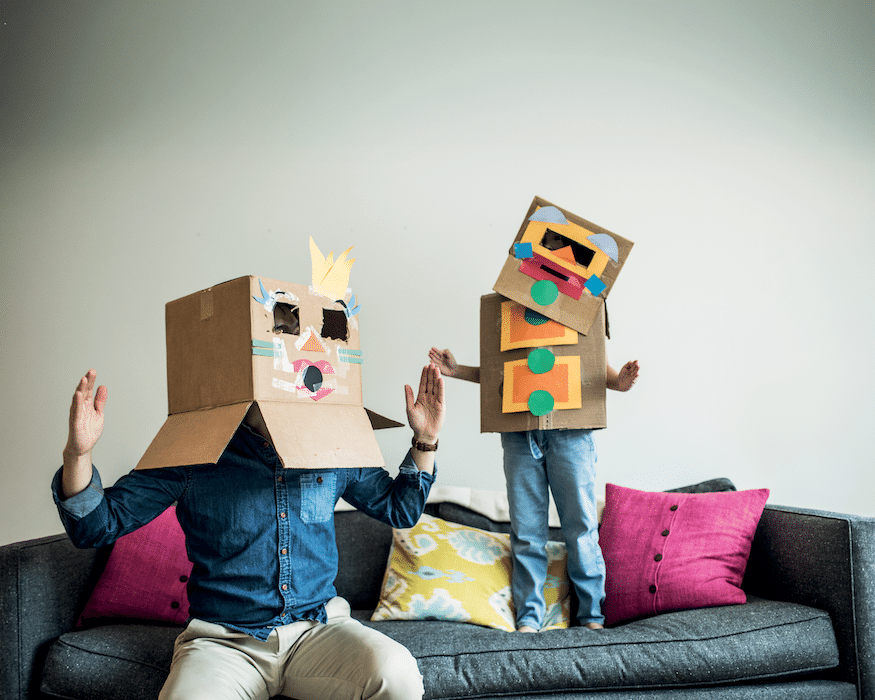
How we dress, and how we behave in what we wear, matters. Even for our children. In fact, especially for our children. When they play dress-up – be it mermaids, fairies, superheroes, fire fighters, doctors, dancers – children get to explore not only who they are but who they can be.
According to Jessica Hugo of Kiddie Majigs, a Joburg store specialising in dress-up and party supplies, imaginative play can help children understand different life roles and how they fit into a community. In this way, they explore and ‘try on’ different personas.
Often, this shapes how children embrace culture, appreciate others’ identities and express themselves authentically. It can have a big influence on the way children navigate the world.
Self-expression
Think of those sunny afternoons when you played dress-up with your friends, and how that baton is passed down through generations. Dress-up is the time when children can use their imagination, get creative and be anything they want to be.
‘The research shows that imaginary play develops self-regulation, emotional intelligence and all the higher mental processes as well,’ according to occupational therapist Lara Schoenfeld, mother of three and founder of Nanny ’n Me. She explains that when she developed a curriculum focused on pretend-play, the superskill she could instill was self-regulation (the ability to manage your own behaviour and adapt).
An article in the International Journal for Multidisciplinary Research describes clothing as a ‘second skin’. ‘For children [as with adults], what they wear is closely tied to how they see themselves, how they are seen by others and how they learn to fit into society.’
What this research also highlighted is the significant role parents play in shaping the way their children dress. They often choose their children’s outfits without much discussion. However, giving children the freedom to play dress-up or choose their own clothes can help them feel more comfortable and confident.
This conversation about choice also opens up the opportunity to discuss diversity, inclusion and cultural awareness. When children learn to express their culture through clothing, it not only supports their own identity but also encourages them to learn about and embrace different cultures.
Social media trends
“Historically, fashion has been deeply intertwined with cultural identity, reflecting the values, traditions and aesthetics of different societies. However, this relationship has undergone significant transformations in the Digital Age,” according to an article in the Journal of Research in Social Science and Humanities.
From a young age, children are exposed to online platforms such as TikTok where they have the opportunity to ‘perform’ or show different personas. This ranges from experimenting with different looks to adopting new personality traits, which can affect how they see themselves.
So, the child who was once okay with running around in jeans and a T-shirt might want to wear the cooler outfits they see on social media. This is where it’s important to teach children that trends are fleeting, and that staying true to who they are – or want to be – matters more.
Help Your Child Embrace Their Culture Attire
In today’s globalised world, wearing traditional or cultural clothing can sometimes make children feel different or left out. To help them embrace their culture, try these simple tips:
▸ Browse together
Talk about what each item looks like and what makes it special.
▸ Add small cultural elements into their wardrobe.
It can be simple items such as jewellery or accessories.
▸ Talk about clothes as a form of culture.
Engage them in conversations about colours, patterns or styles and what they mean. Take it further and explain different rituals or ceremonies where specific cultural attire shines.
▸ Discuss the meaning of clothing.
Why do different genders have different dress codes? What is allowed or accepted? What is the historical significance?
▸ Let them develop their own personal style.
Let them choose cultural clothing in colours, patterns and styles they like. Pairing cultural clothing with their own accessories or other pieces allows children to express their understanding of their culture in a way that feels personal to them.
Cultural pride
If you come from a strong cultural background, the garments you wear are somewhat blueprinted, based on customs, religious rites and tradition. The fun part? Your children can explore that blueprint – and it can make all the difference.
Use the Digital Age to your advantage. There are more fashion trends than ever to keep up with, but online platforms have also become influential spaces for fashion discourse, making it more accessible and giving diverse individuals and communities a voice. For example, traditional African kente cloth continues to inspire collections by international brands. Meanwhile, designers such as our own Thebe Magugu and Nigeria’s Maki Oh, Veekee James and Abbaswoman are gaining global attention, opening up conversations around cultural expression in contemporary fashion.
By showing children that their culture has a place in the world and in society, you help them develop a stronger sense of belonging.
Seeing Zainab Jiwa proudly wear her hijab while dressing to the theme of each movie premiere she attends offers hope and inspiration to young Muslim girls. Seeing Tyla in a custom Ellie Misner dress at the 2026 FIFA opening ceremony, alongside the Mzansi Youth Choir in African-inspired outfits, can inspire and excite young South Africans who love music, fashion and football.
If children get to see their favourite personalities proud of who they are, their heritage and their culture, they learn to do the same.
Words: Saadiqah Schroeder
Photos: Gallo/Getty Images