

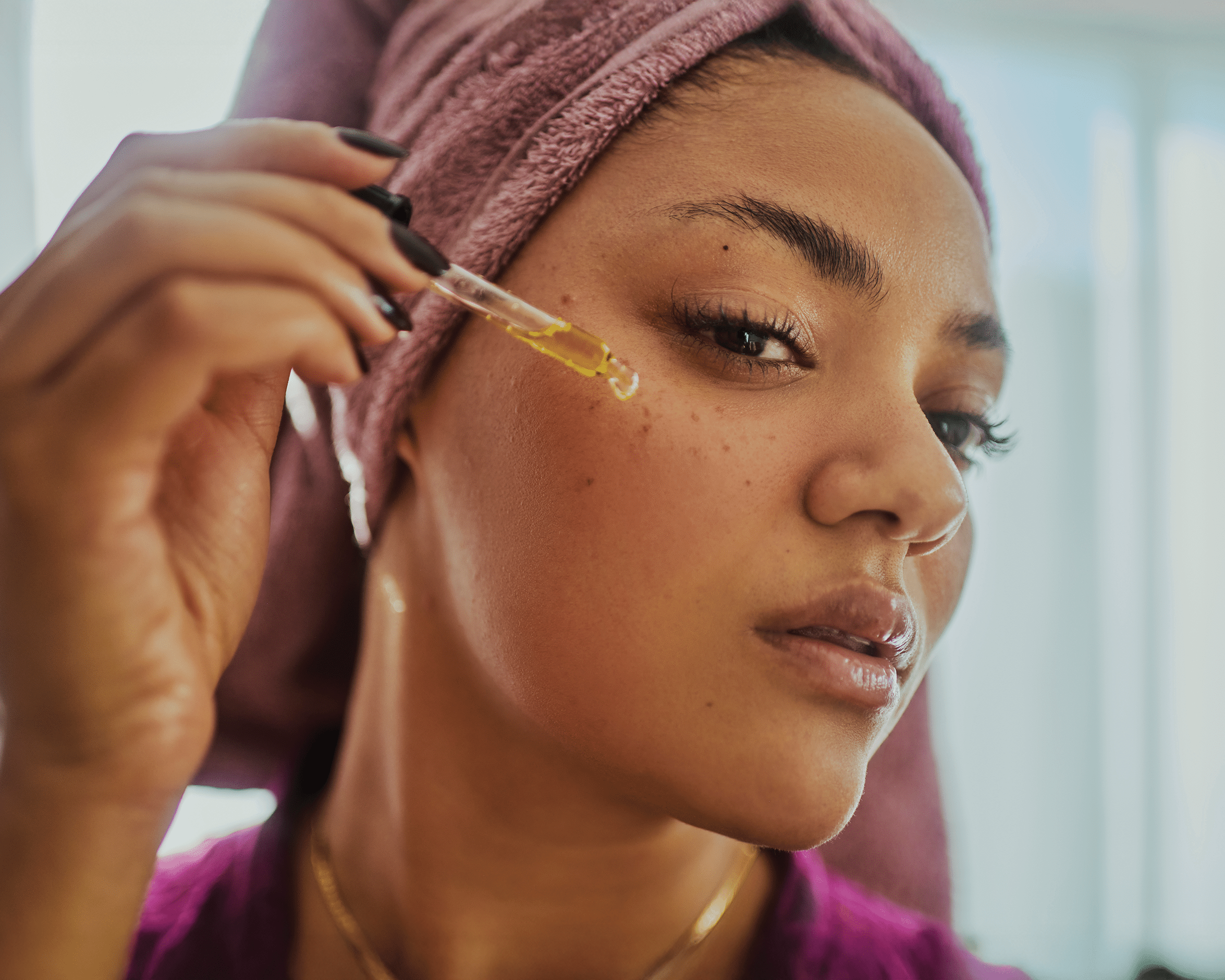
Here’s everything you need to know about the buzzy skincare ingredient — from its benefits to the best way to incorporate it into your routine
Retinol, vitamin C and hyaluronic acid — ask any skincare expert, and these powerhouse ingredients are likely at the top of their list. But there is another skincare hero making waves. Enter niacinamide, a potent ingredient known for its versatility and broad appeal. A vitamin effective for nearly every skin type, its benefits are easy to achieve and it’s simple to incorporate into your skincare routine.
We’ve got the lowdown on everything you need to know about this skincare superstar — what it is, how it benefits the skin, how to use it and some of our favourite products.
What is it?
Niacinamide is a form of vitamin B (B3 or niacin), an antioxidant that “supports many aspects of our health, including cell repair,” says Tzivia Hermann, founder and co-owner of The Laser Beautique. While vitamin B3 is commonly found in protein-rich foods as well as legumes, grains, mushrooms, nuts and seeds, you can also apply it topically through niacinamide-infused skincare products.
What does niacinamide do for skin?
This powerful skincare ingredient has a wide range of benefits:
► Strengthens the skin barrier
Niacinamide helps form a ceramide barrier that locks in moisture, making it helpful for all skin types, including those with eczema or mature skin.
► Reduces redness and blotchiness
It works to calm inflammation, making it effective in reducing redness caused by acne, eczema and other inflammatory conditions.
► Minimises the appearance of pores
By normalising the pore lining, niacinamide prevents the buildup of oil and debris, reducing clogged pores and uneven texture.
► Treats hyperpigmentation
Niacinamide helps lighten dark spots and even out skin tone, promoting a brighter, more radiant complexion.
► Protects against sun damage
It supports the skin in rebuilding cells while also offering protection against harmful UV rays, reducing the effects of sun damage.
► Regulates oil production
Niacinamide helps balance oil production, making it beneficial for both dry and oily skin types by preventing sebaceous glands from producing excess oil.
► Treats acne
Niacinamide is effective in both treating and preventing acne, especially inflammatory acne with papules and pustules, while also improving skin texture over time.
► Reduces fine lines and wrinkles
By both restoring moisture and preventing dehydration, it helps keep skin looking plump and youthful.
► Protects against oxidative stress
Niacinamide helps the skin defend itself against environmental damage, including pollution and toxins, by supporting cell regeneration.
What can and can’t be combined with niacinamide?
Niacinamide is a highly adaptable ingredient that works well with a variety of other active skincare ingredients such as hyaluronic acid, retinol and ceramides. However, certain combinations may lead to irritation or reduced effectiveness, so it is important to know which pairings to avoid.
Niacinamide should not be mixed with high-concentration exfoliating acids like AHAs (glycolic acid or lactic acid) and BHAs (salicylic acid) — which are commonly found in cleansers, toners, serums and masks. These acids have a low pH (around 3-4), while niacinamide has a higher pH of 5-7. When combined, the pH of niacinamide can neutralise the acid, reducing its effectiveness and hindering absorption.
In addition, avoid using it with strong alcohol-based toners and benzoyl peroxide.
@dr.tomassian Replying to @Thelma93 niacinamide mixing #skincare #skincarequestions #drtomassian ♬ original sound - Dr. Chris Tomassian
Niacinamide and vitamin c
Historically, some studies suggested that combining these two antioxidants could cancel each other out. However, recent research shows that when used properly, these ingredients can work together effectively without causing skin issues.
Niacinamide targets skin pigmentation and enhances moisture, while vitamin C lightens dark spots and protects against environmental damage.
If you choose to use both, then it’s best to allow a 10-minute gap between applications to ensure maximum effectiveness, especially if you have sensitive skin. If you’re uncertain about how your skin will react, you should alternate the two by using one in the morning and the other at night.
Tzivia recommends starting with a concentration of 5% niacinamide or less. “Anything above that may lead to irritation and should be used only on targeted areas,” she advises. Instead of jumping straight to a 10% niacinamide product and risking a reaction, begin with a gentler formula.
“Start slowly and ease your way into it,” Tzivia suggests.
Even concentrations as low as 2% can effectively regulate oil production and improve pigmentation. As you gradually increase the concentration, you’ll likely notice more pronounced benefits.
Adding niacinamide to your skincare routine
Adding niacinamide is simple and effective, but the type of product you choose will depend on your skin type and concerns. Here’s how to include it based on your specific needs:
► For dry skin:
Choose a product that pairs niacinamide with hydrating ingredients such as hyaluronic acid or emollient-rich moisturisers. A toner with a lower concentration of niacinamide can also work wonders.
► For oily skin:
Opt for a lightweight, water-based serum with niacinamide that also includes clarifying ingredients like retinol (vitamin A derivatives), hyaluronic acid or clay (in the case of masks) to help control oil production and minimise pores.
► For sensitive skin:
Look for niacinamide products with soothing, hydrating ingredients such as glycerine or aloe vera. These help calm irritation while delivering the benefits of niacinamide.
► Since niacinamide is so versatile, it is often included in products designed for multiple skin concerns. It can be used both in your morning and evening routines, depending on the formulation. If you’re using niacinamide in the morning, be sure to follow with sunscreen, as it will add an extra layer of protection against environmental stressors.
► Niacinamide is safe for use during pregnancy and breastfeeding, making it a great option for women experiencing hormonal skin changes. Just be sure to check the full list of ingredients to ensure there are no other contra-indications.
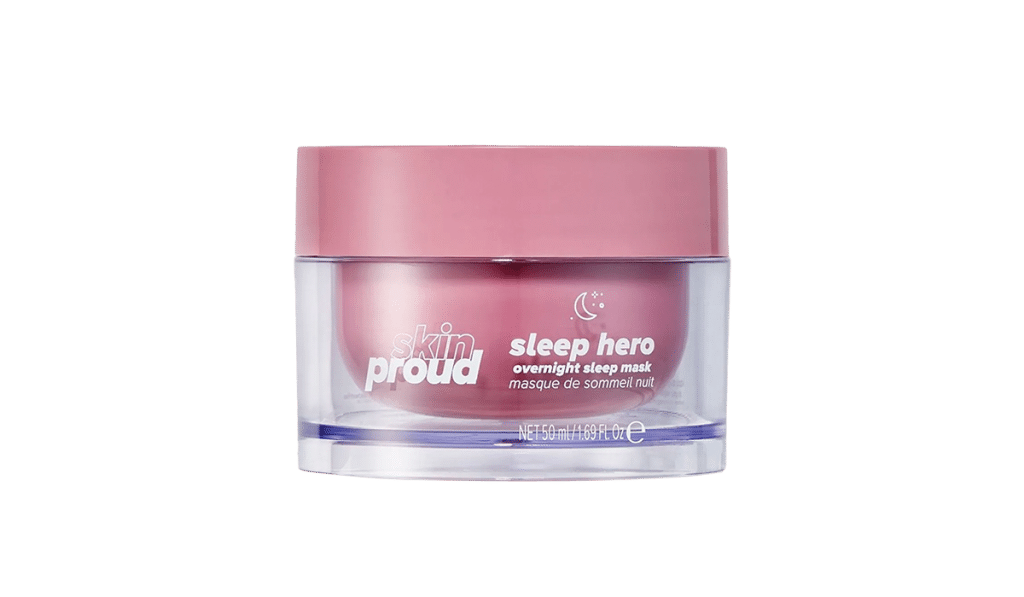
1. Skin Proud Sleep Hero Overnight Mask R380
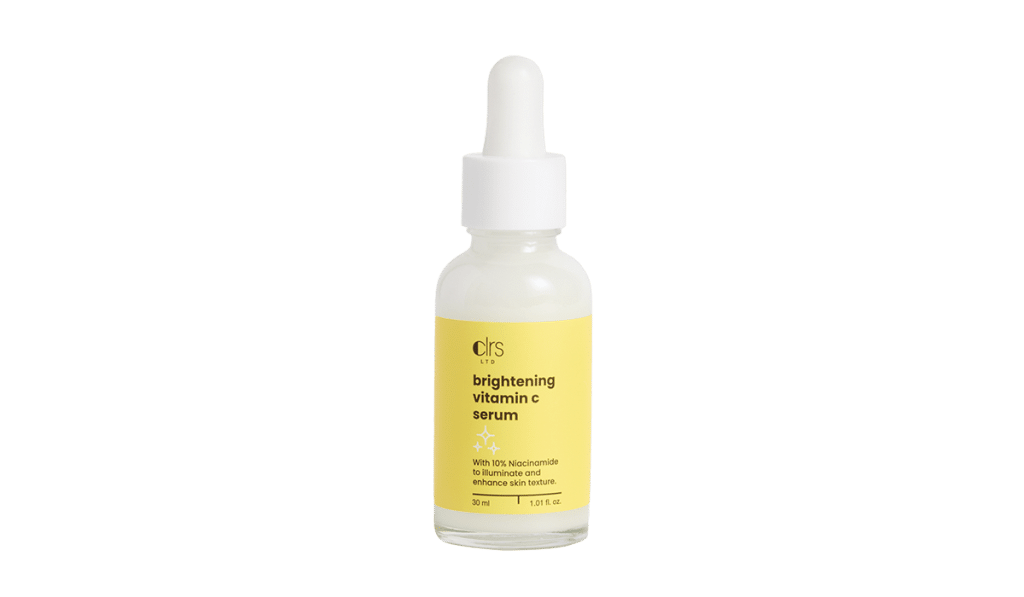
2. Colours Limited Brightening Vitamin C Serum with 10% Niacinamide R89.95
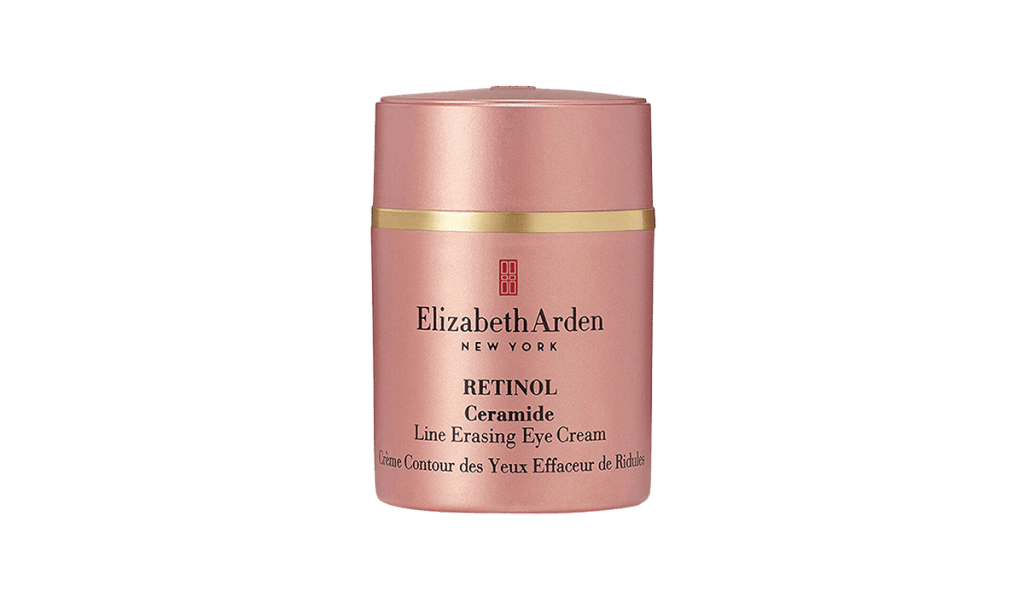
3. Elizabeth Arden Retinol Ceramide Line Erasing Eye Cream R1 050
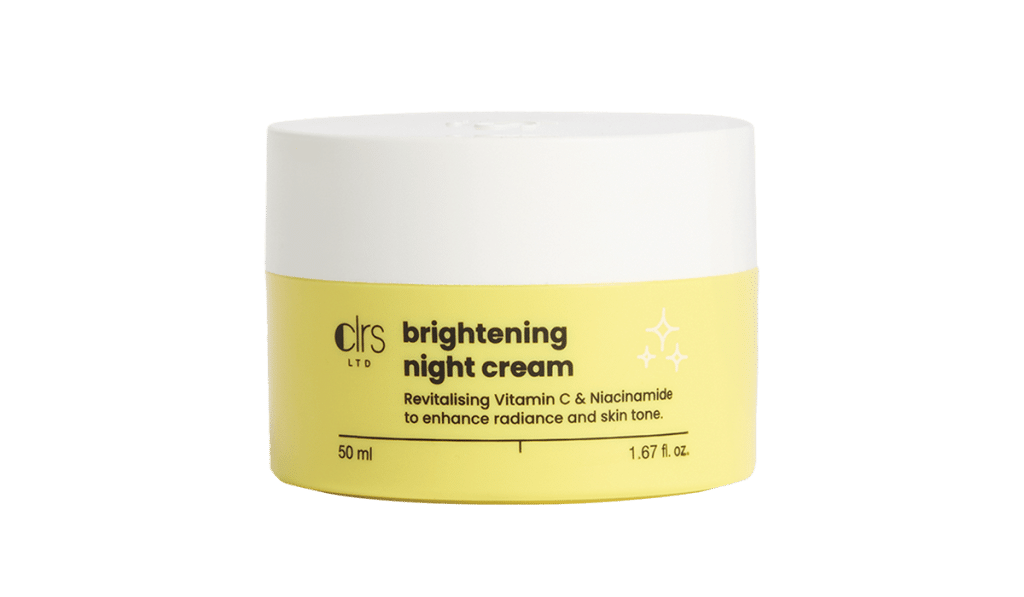
4. Colours Limited Brightening Night Cream R89.95

5. Lelive. Jelly Splash Cleanse + Renew Jelly Cleanser R349
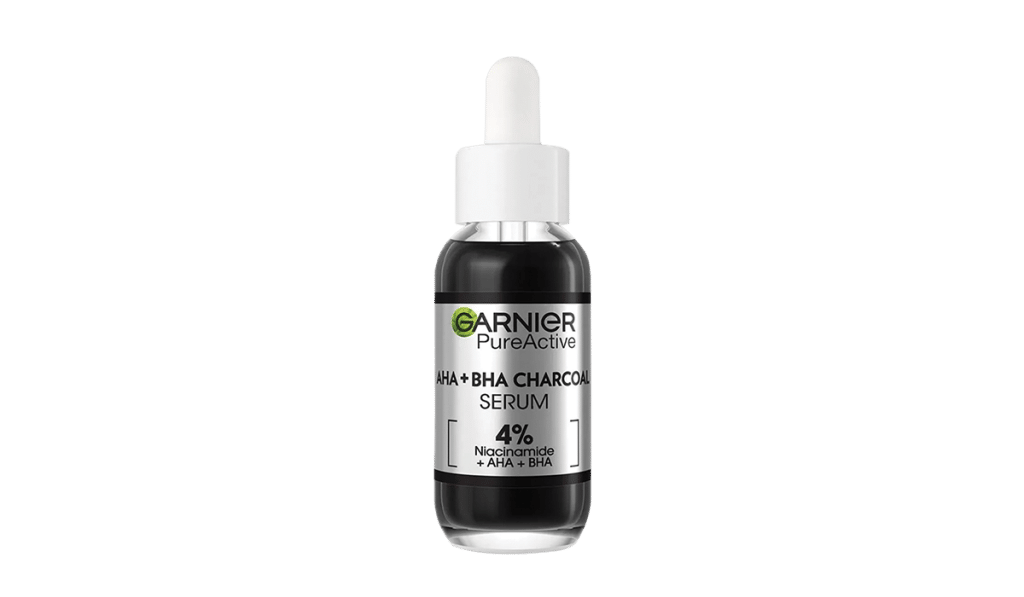
6. Garnier PureActive AHA+BHA Charcoal Serum with 4% Niacinamide R262.95
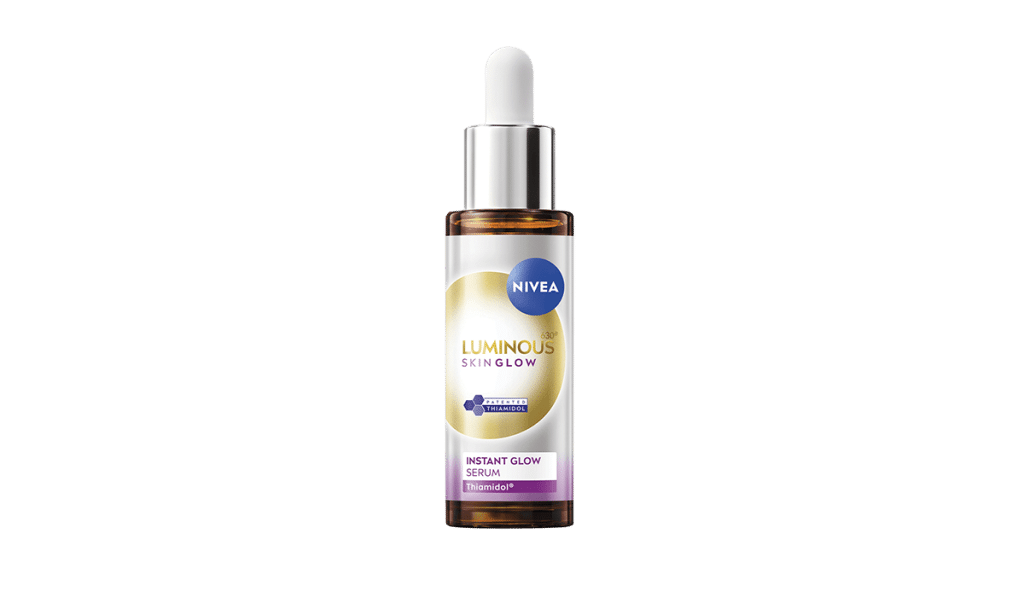
7. Nivea Luminous 630 SkinGlow Instant Glow Serum R159.99
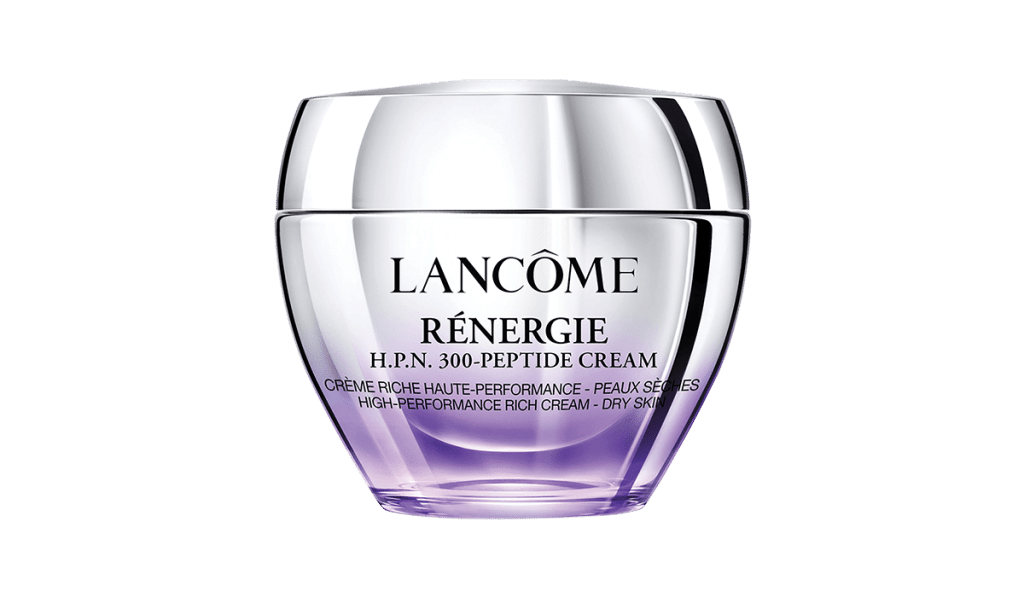
8. Lancôme Rénergie H.P.N. 300-Peptide Cream R2 250
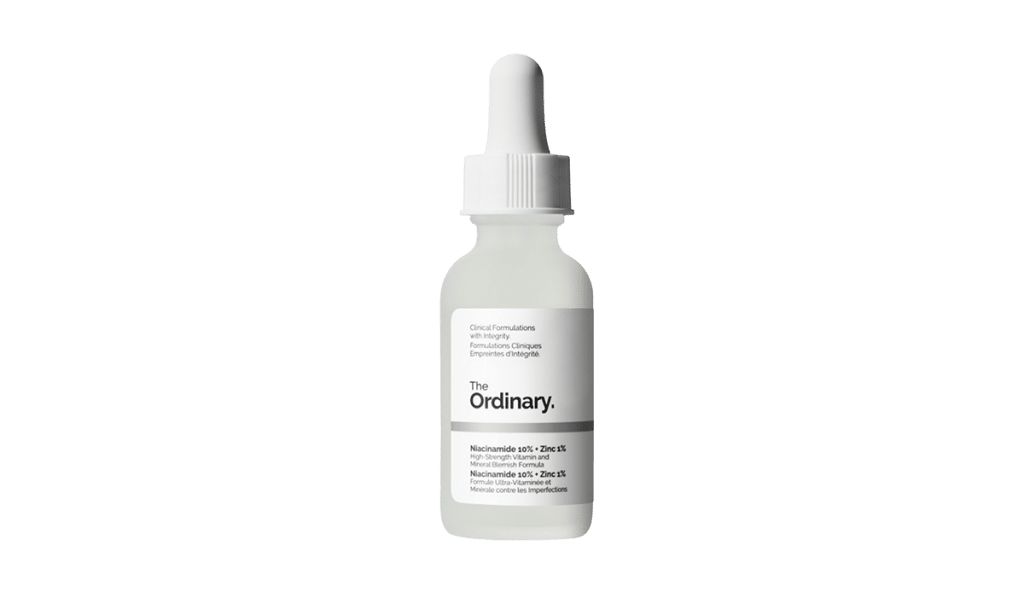
9. The Ordinary Niacinamide 10% + Zinc 1% Serum R130
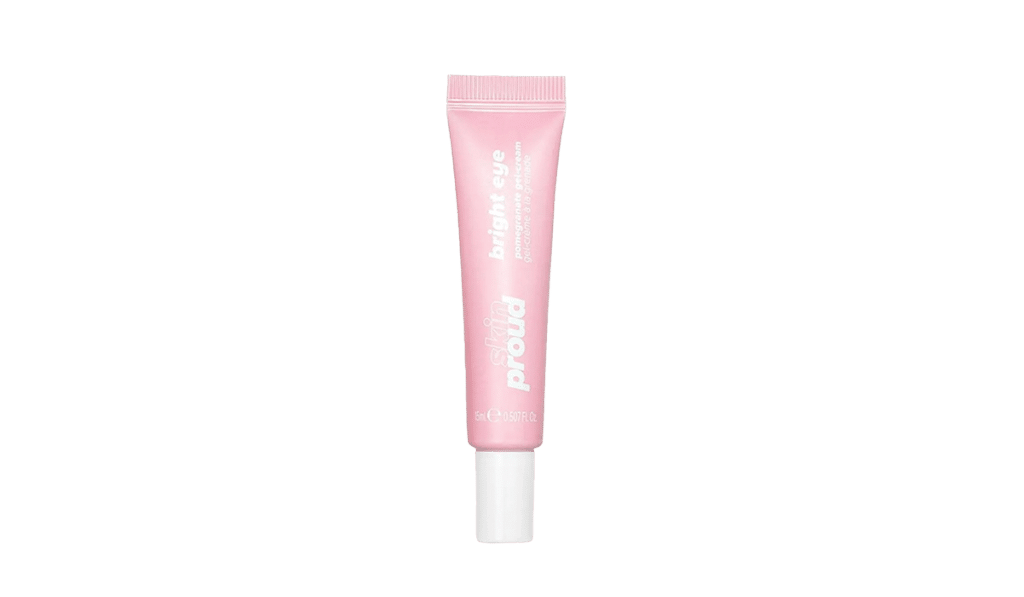
10. Skin Proud Bright Eye Gel-Cream R355
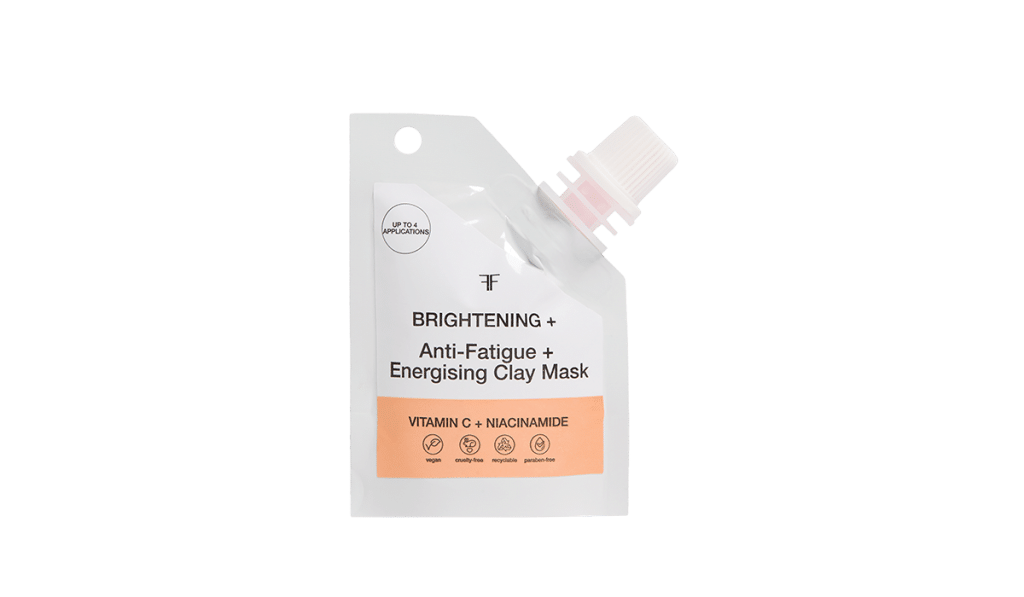
11. Foschini All Woman Brightening Anti-Fatigue + Energising Clay Mask with Vitamin C + Niacinamide R65
Prices correct at time of print and may change.
Words: Leila Petersen
Photography: Gallo/Getty images, Shutterstock, Supplied