
Don’t believe the hype… we’re cutting through the noise and giving you the real deal on clean beauty
In an era where we’re more we put on our skin, the clean beauty movement is on the rise – and it’s no surprise why. With growing awareness about the potential harm of harsh chemicals and artificial ingredients (to both humans and the planet), many of us are seeking out safer, more sustainable options for our beauty routines. With all the chatter, it’s easy to get caught up in the myths and misconceptions that can be just as confusing as they are convincing. From questions of safety to the effectiveness of clean products, we’re tackling the biggest clean beauty myths that might be standing between you and your best skin – and setting the record straight on what’s really worth buying in to.
Myth #1: Nature knows best
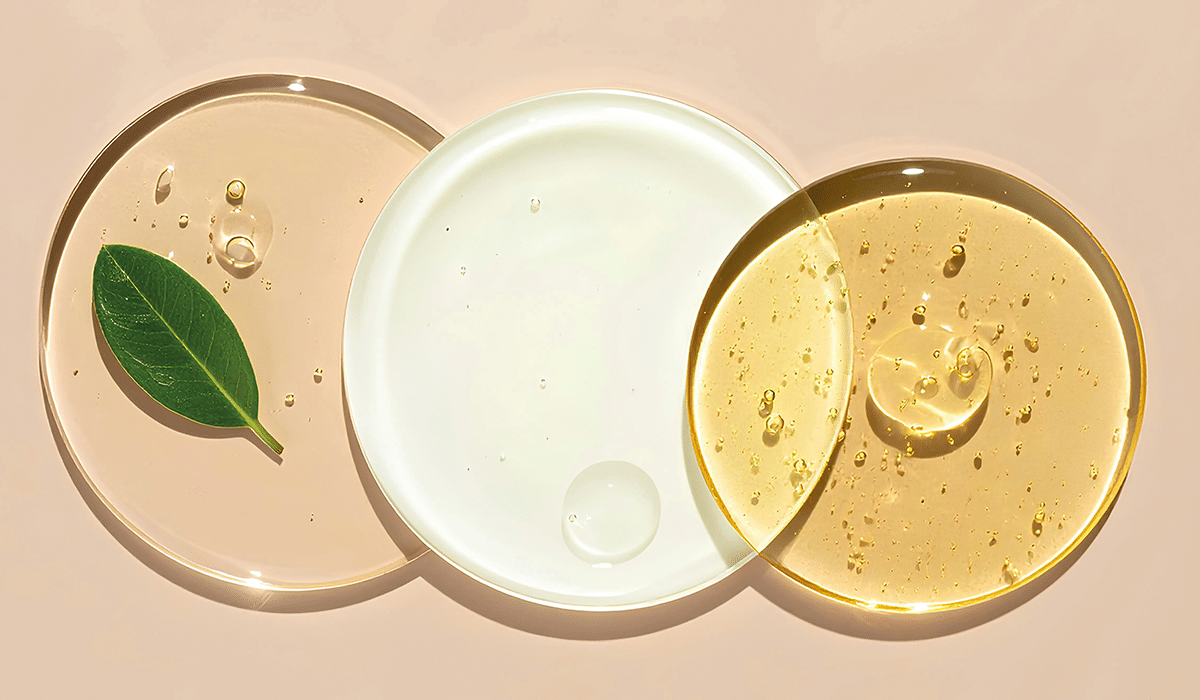
The idea that natural ingredients are inherently better than synthetic ones is misconceived. Just because something is natural doesn’t mean it’s automatically good for your skin — in fact, it can be an allergen or irritant. Most synthetic beauty ingredients are carefully crafted to be highly effective and gentle on the skin, more stable and less irritating. Some of the most effective skincare ingredients, such as hyaluronic acid and peptides, can be synthesized in a lab. The key here is to focus on what is actually effective, rather than just assuming natural is always better.
Myth #2: Clean means gentle
Now, the term ‘clean’ has become a buzzword in the beauty industry, but it’s often misinterpreted to mean ‘gentle’. However, they are not always gentle formulas. Clean beauty products might avoid certain ingredients that are perceived as harsh, but that does not mean they’re automatically gentle on every skin. Formulas that contain natural acids, essential oils and citrus extracts, for example, can be irritating and cause redness and sensitivity. In reality, skin type and concerns vary widely from person to person, and what works for one individual might not work for another because some clean products can still strip certain skin types, while others are perfectly fine. Always look beyond the label and focus on the actual ingredients and their concentrations.
Myth #3: Clean beauty is only for certain skin types
Clean beauty is often misunderstood as being only for sensitive skin. The truth is, clean beauty is for everyone. Whether you have acne-prone skin, oily or combination skin, dry or ageing skin, there are clean beauty products out there that can work for you. Just do the research and you’ll find your perfect match.
Myth #4: Clean beauty products can’t last without preservatives
A common misconception. Many clean brands use natural preservatives that are just as effective as chemical ones. From essential oils to plant- based extracts, there are plenty of options that can help extend the shelf life of clean beauty products without compromising safety or efficacy.
Myth #5: Clean means sustainable, eco-friendly and ethical
While it’s true that some natural and clean beauty brands prioritise sustainability, it’s not a hard-and-fast rule that all such products are more eco-friendly. In reality, sustainability is a complex issue that depends on many factors, including packaging, sourcing and production processes. Some natural ingredients might be sourced unsustainably, while certain synthetic ingredients can be produced in an eco-friendly way. So, if you’re all about making sustainable choices when purchasing beauty products then you need to consider the entire life cycle of the product — from sourcing to packaging to disposal. Note, too, that not all clean products are ‘organic’ (which is something that can be properly certified).
Myth #6: It is safer for you
‘Preservative-free, ‘toxin-free’ and ‘chemical-free’ sound reassuring, but they’re often used as marketing gimmicks. The truth is that everything in the world is made up of chemicals. Removing certain ingredients doesn’t automatically make a product safer or more effective. In fact, preservative-free products are more prone to contamination, which can lead to skin issues or even infections. Similarly, ‘toxin-free’ is a term that is often used loosely, as it doesn’t account for the fact that many natural ingredients can be toxic in certain concentrations. Again, it’s more important to look at the actual ingredients and their concentrations. Bear in mind that the term ‘clean beauty’ itself has no official definition, leaving it open to interpretation.
View this post on Instagram
Words: Emma Mbuthuma
Photography: Pexels, Unsplash, Gallo/Getty images
Also read: