
A competitive mountain biker who survived a heart attack is urging even the fittest people to get routine screenings for underlying cardiovascular conditions.
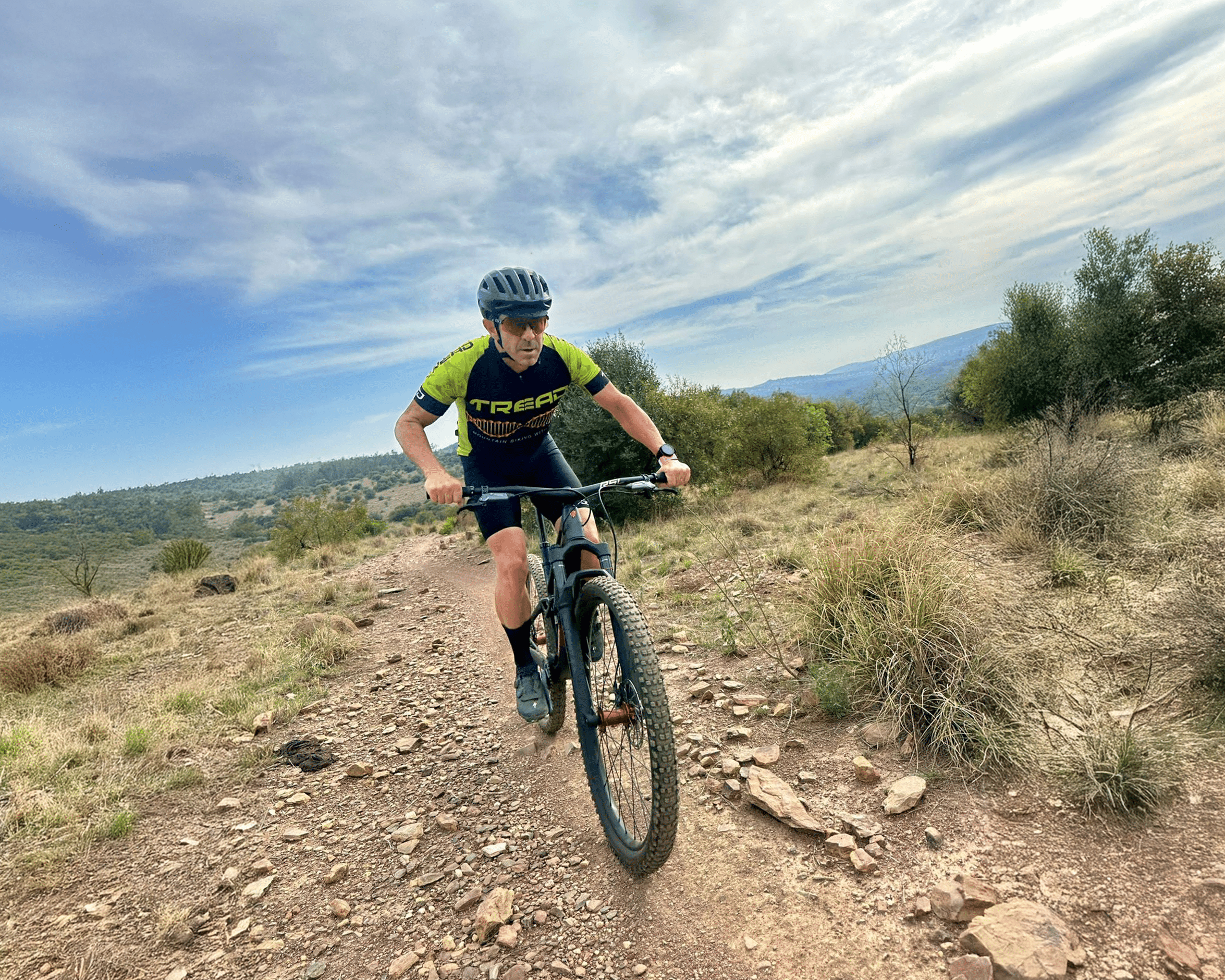
Sean Badenhorst, writer and co‑founder of the mountain biking platform Tread Media, never imagined he was at risk of a heart attack. In early September, he and his 19‑year‑old son had just finished a race together – with no warning signs of what was to come.
“Crossing the finish line of my first gravel race, I suffered a heart attack. It certainly took me by surprise as I have never smoked, I hardly drink, I am not obese, and I am not diabetic. I’m 55 and have exercised consistently my whole life. I ride bicycles for 10 to 12 hours a week on average and I eat what is generally considered a healthy diet,” he recalls.
According to cardiothoracic surgeon Dr Elias Zigiriadis, although lifestyle factors play an important role in cardiovascular health, it is not possible to rule out the risk of heart attack or underlying coronary artery disease without regular screening.
“Even a person who is active, slim and feels perfectly healthy may have developed narrowed arteries without any noticeable symptoms over the years, and often there is a hereditary risk for coronary artery disease. Regular screenings for cholesterol levels, blood pressure and diabetes can help identify many of the risk factors and bring them under control before they become a medical emergency, as was Mr Badenhorst’s experience,” explains Dr Zigiriadis.
Three of the four arteries supplying Sean’s heart muscle had become dangerously narrowed; however, this was only detected when he suffered one of the most dangerous and potentially fatal types of heart attack: an inferior ST-segment elevation myocardial infarction (STEMI). His condition was stabilised, but with the imminent risk of a second episode, Sean urgently needed triple heart bypass surgery, known as a coronary artery bypass grafting procedure.
Three weeks later, Sean was transferred to Netcare Krugersdorp Hospital’s well-known cardiac intensive care unit (ICU) for the necessary preparation for his operation under the care of cardiologist Professor Nqoba Tsabedze and Dr Zigiriadis.
“Over the next few days, I was made to understand just how serious this surgery is. The doctors explained in detail what they needed to do, what to expect, and the risks involved in this kind of operation, emphasising the importance of thorough preparation before the surgery,” says Sean.
The preparation involved stopping the blood thinner Sean was prescribed after his heart attack to allow his blood viscosity, which refers to how thick or thin your blood is, to return to normal and reduce the risk of excessive bleeding during surgery. Two pints of Sean’s blood were drawn so that his own blood could be used for a transfusion during the procedure.
Sean mentally prepared himself for the operation. “My anaesthetist asked if I have close family and advised that my wife Joanne should arrange to be with me before I went into surgery because it is such a serious operation.”
“Although I was considered low risk, there is always a chance that something can go wrong. We both knew this, but decided instead to focus on my post-surgery process of regaining consciousness, then spending up to 15 hours on a ventilator. To me, this seemed like the most formidable part of the process,” Sean says.
“Besides suffering from mild claustrophobia, I have also experienced a few episodes of breathing anxiety. I mentally prepared for 15 hours on the ventilator, determined to try to be calm and trusting of the technology and the process. I had asked Joanne to give me a countdown as the hours passed until I would be able to breathe for myself again,” Sean explains.
“I will be on chronic medication and need occasional check-ups with my cardiologist, but I guess it’s a small price to pay for a second chance at life. The prognosis is good – I should be able to ride mountain bikes as I did before – as hard and as far as I feel I can,” he says.
Sean wants to remind everyone that looking after your heart isn’t just for those who feel unfit. Even the mountain biking community, known for peak fitness, needs to stay proactive about heart health. “Book a health check with a GP, and specifically ask them to check your risk of heart disease. Simple blood tests and an electrocardiogram could help save you from a heart attack,” Sean encourages.
“I count myself fortunate to have survived my heart attack. I’m grateful to wake up each day and experience the joy of my family, pets, garden and nature. I know that it could have been so different, and I intend to use my experience to warn and educate others where I can.”
Words: MNA on behalf of the Netcare Krugersdorp Hospital
Photography: Supplied