
Biohacking is on the rise in SA and this article has everything you need to know before you decide to lock in!
Biohacking. When I first saw this word, I thought it was something straight out of a sci-fi movie that involved aliens taking over your mind and body, literally hijacking your very being. Instead, it’s a new-age science lifestyle, steadily gaining attention in South Africa because of how it uses a combination of technology, genetics and lifestyle changes to improve our chances of longevity, better health and ageing, as well as heightened physical and mental performance.
“Remember the number one rule of biohacking — first remove the things that are making you weak (or old),” advises Dave Asprey, entrepreneur, author, biohacker and founder-CEO of Bulletproof.
Sounds like quite the dream and quite the promise, am I right? Well, biohacking is not without its extremes, controversies and ethical dilemmas, but fear not, we’re here to give you the details.
Known for reducing anxiety, improving blood circulation, stimulating the release of endorphins, boosting your immune system and more. Cold showers, plunges and even cryotherapy (using ice) are health hacks that have been on the rise.
View this post on Instagram
The easy-to-adopt kind
You may not be aware of it, but biohacking might already be a part of your health and fitness journey. Have you heard of intermittent fasting? Cold plunges? You’ve definitely heard of smartwatches and fitness-tracking bands that can tell you how many steps you’ve done in a day, your heart rate and your sleeping patterns. How about that morning coffee? We have been learning about, and often implementing, these different methods of bettering our health, boosting our energy or managing our weight for so long, not realising that it was biohacking.
Caffeine
Caffeine increases alertness and focus, and can boost productivity. It falls into the category of nootropics (or ‘smart drugs’), but learning how to use it properly and in moderation is key, as it can have negative side effects. The most important things to know to reap the benefits? You need to drink your coffee black and unsweetened, and you should not have it after 2pm.
Cold plunges
Known for reducing anxiety, improving blood circulation, stimulating the release of endorphins, boosting your immune system and more. Cold showers, plunges and even cryotherapy (using ice) are health hacks that have been on the rise.
Intermittent fasting
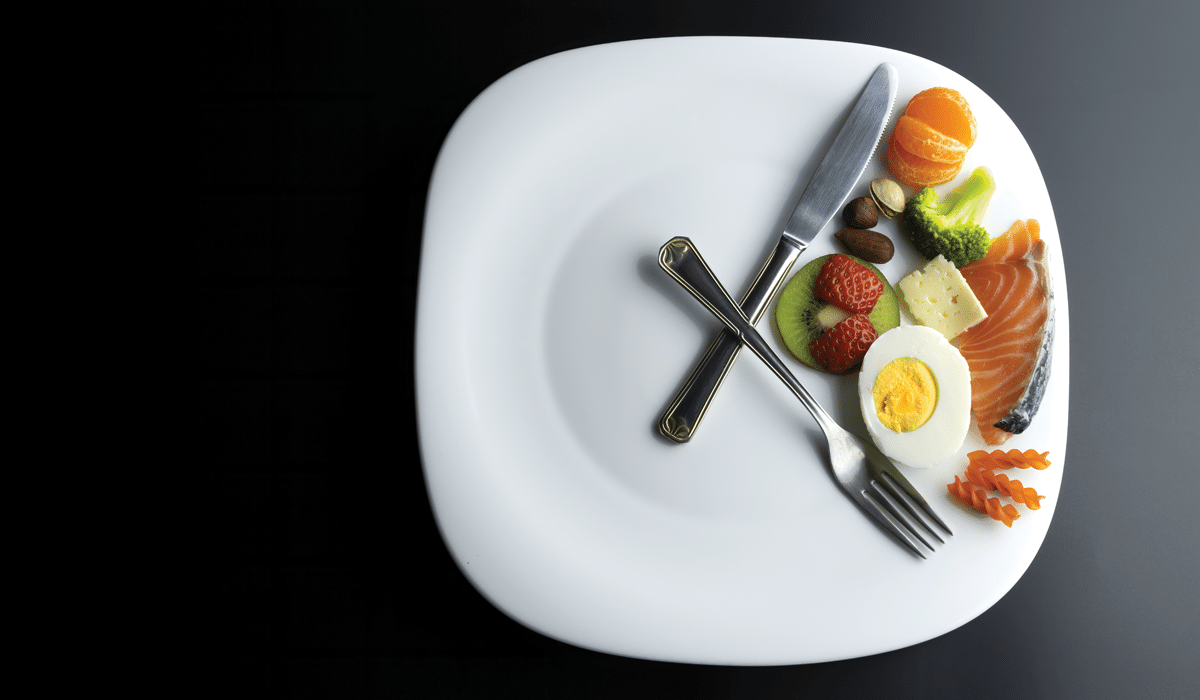
Johns Hopkins Medicine defines intermittent fasting as an eating plan that oscillates between fasting and eating on a regular schedule, to manage weight gain and possibly prevent and even reverse certain illnesses like type-2 diabetes, heart disease and obesity. This is due to something called metabolic switching that is achieved when you give your body enough time to start tapping into its sugar stores and therefore burn fat. However, don’t start holding off on meals right away — speak to your doctor or a dietitian to create a healthy fasting schedule for you.
Garage biohacking
Basically a DIY approach to biology and biotechnology, garage biohacking aims to sate personal curiosity and challenge the monopolisation of biotech by large companies. It can be seen as innovative, but also dangerous as these individuals are running tests and experiments outside of traditional lab settings. However, by cultivating bacteria, testing supplements and their blood, gene editing and more, these dedicated biohackers have found ways to hack the bodily system — for better or for worse.
Grinder biohacking
This consists of implanting technology, like microchips, magnets and other bits and bobs, into your body in order to enhance your life and performance. It sounds scary (and can sometimes be scary), but it has achieved and contributed to amazing things like the development of prosthetics for the disabled.
Whether you do it at home or seek out spas and professionals to guide you, biohacking is your choice — whether to find out more about your personal biology or how to hack your genetic makeup for a longer and happier life. Just do it safely and be mindful.
Enjoy improving your health but make smart choices! That said, since some people get into biohacking specifically to de-age, remember that ageing is not a ‘disease to be cured — it’s a beautiful part of life, and one to be embraced.
The mad scientist kind
There is this amazing TED Talk by Martin Kremmer, a Danish biohacker who created a platform and company (BioWatch.me and FreeAge.com) that focuses on health monitoring and longevity.
He talks about how a GP doctor sees around 52 patients a day, allocating 10 to 15 minutes to each and is expected to make well-informed diagnoses, but won’t always be able to pick up on noteworthy illnesses right away. Kremmer goes on to say how doing blood tests and DNA tests allowed him to discover the genes he had that could lead to the manifestation of life-threatening diseases.
After picking up on these things, he embarked on a journey to prevent this manifestation, through biohacking. His talk made me curious to learn about the more gritty, scientific and controversial approaches to biohacking…
Biohacking spas and coaching in SA
-
Cryoliving (Cape Town)
- Specialities: Cryotherapy, red light therapy, infrared sauna and oxygen therapy.
- Why it’s safe: Run by trained professionals using medical-grade equipment.
-
Body20 studios (nationwide)
- Specialities: EMS (electro muscle stimulation) training, body composition tracking and Al-assisted fitness.
- Why it’s safe: Trainers monitor all sessions to prevent injuries and ensure correct technique.
-
Thrive labs (Joburg)
- Specialities: Pain relief, toxin cleansing, muscle recovery and other specialised therapies.
- Why it’s safe: Services are provided by medical professionals.
-
Made to thrive (online)
- Specialities: Personalised biohacking coaching and longevity strategies.
- Why it’s safe: Science-backed recommendations from a panel of biohacking specialists.
Words: Thuveshnie Govender
Photography: Gallo/Getty Images, Shutterstock