

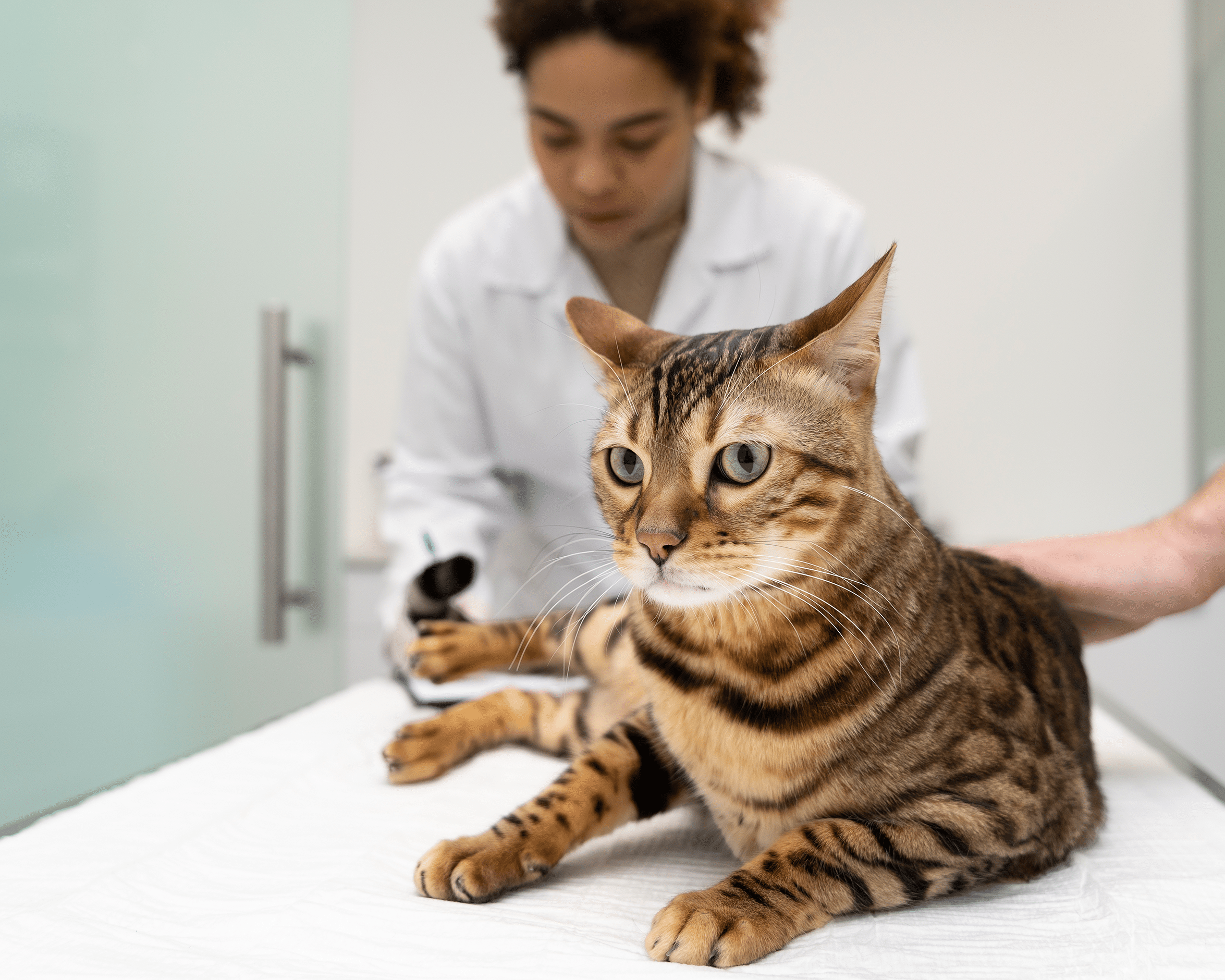
Cats may be famously independent, but that makes it even more important to stay hands‑on with their health. Here are six common conditions that often go unnoticed – and how you can spot them early on.
“Cats are experts at hiding pain,” says Dr Tarryn Dent, Business Unit Director: Companion Animals for global animal health company, Zoetis South Africa. “Early action is key to prevention and better outcomes,” she adds.
6 common health conditions in cats that are surprisingly easy to miss
Dr Dent says various health conditions affect cats, but some of the most common ones include:
1.Dental disease
Problems with your cat’s teeth and gums can lead to pain, infections and inflammation in other parts of their body, so it should not be ignored.
2.Parasites
These may include worms, ticks or mites amongst others.
3.Chronic kidney disease
Chronic kidney disease is common in older cats, with studies showing prevalence increasing significantly with age.
4.Respiratoryinfections
Like humans, cats can catch respiratory infections that may cause sneezing, nasal discharge or coughing.
5.Obesity/metabolic risk
Obesity puts your cat at risk of serious conditions like diabetes, metabolic disease, and joint problems.
6.Arthritis
Even young cats can develop osteoarthritis, leading to pain and affecting your cat’s quality of life.
What to look out for
Bad breath or red gums: This can be an early sign of dental disease.
Over-grooming: It may be a sign of parasites or skin irritation.
Litter box habits: Changes in how often your cat uses the litter tray or how much urine it passes could indicate an underlying condition.
Activity: If your cat isn’t as active as usual, is jumping less, or seems stiff, this could be an early sign of arthritis.
Under-grooming: Could be the result of pain.
Eating and drinking habits: Notice if your cat is eating or drinking less or more than usual.
Weight: Gaining weight or losing weight could be a red flag.
It’s important that cat owners are proactive about their pets’ health. This includes getting regular check-ups at the veterinarian and learning what your cat’s “normal” looks like.
What to do to prevent these conditions
Dr Dent recommends most cats go for a check-up annually, although kittens, senior cats, and those with chronic health conditions may need to go more often.
At routine veterinary appointments, your cat will receive a thorough physical exam. This includes checking for lumps, assessing any signs of pain, and listening to their lungs and heart. Your veterinarian may also provide guidance on nutrition and screen for parasites. Since prevention is always better than cure, they can recommend effective parasite prevention strategies to keep your cat healthy and comfortable.
The annual exam is also when your cat’s routine vaccinations are administered. Vaccinations aren’t only for kittens – cats need to have boosters throughout their lives. Rabies vaccination is required by law, but your veterinarian will advise you around which other vaccines your cat should receive.
Get to know your cat
During the appointment, your veterinarian will likely ask about any changes in your cat’s behaviour, such as litter tray habits or grooming routines. This is valuable information only you can provide, and it offers important clues that help the veterinarian assess your cat’s overall health.
“Understanding your cat’s unique ‘normal’ is very important,” says Dr Dent. “If you know your cat well, you can start to pick up subtle changes. They may be small, but these changes are often early indicators of disease.”
“If you know your cat well, even if the cat seems ‘normal’ to someone else, you will know that something isn’t right,” says Dr Dent.
Words: Mantis Communication
Photography: Freepik