

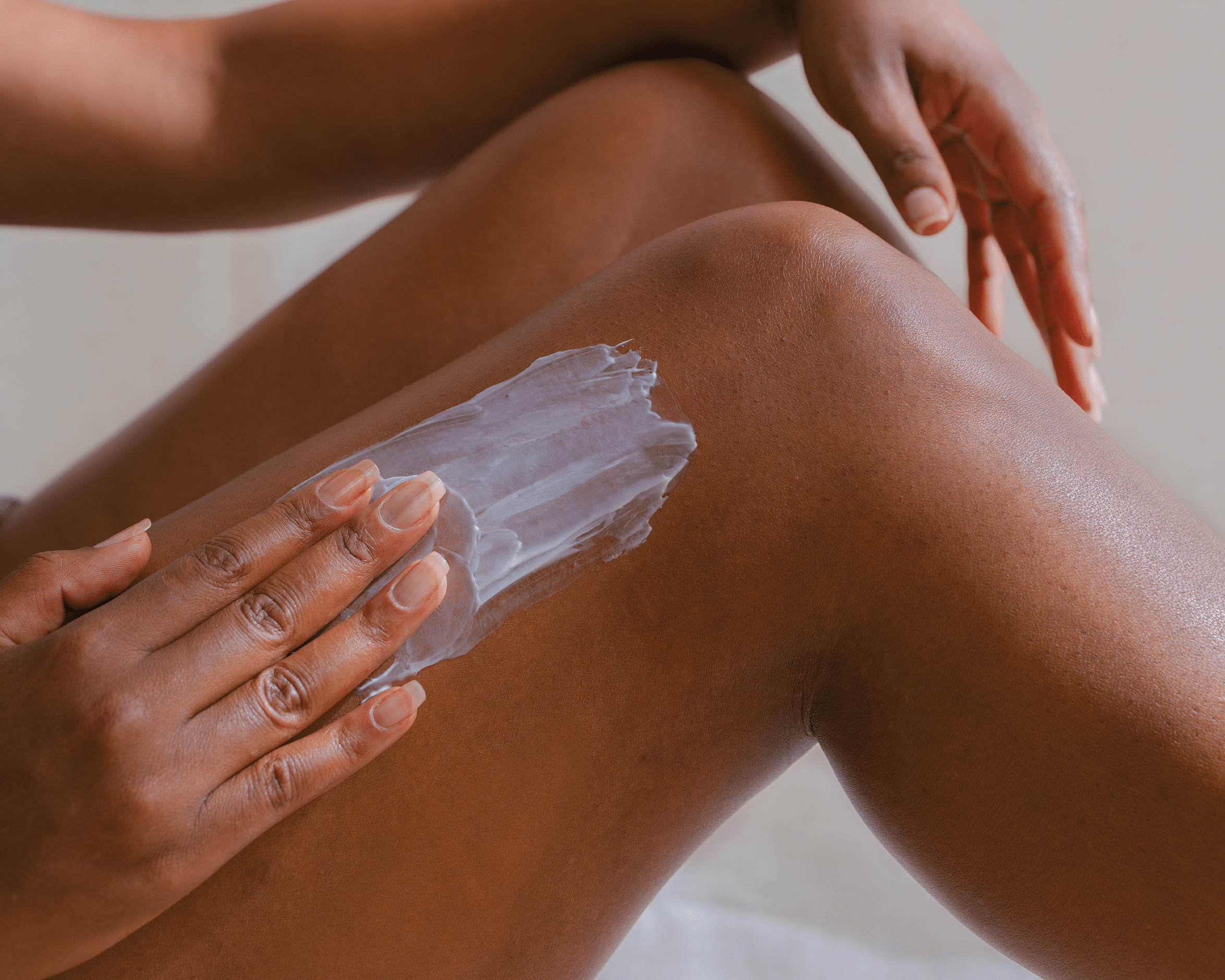
Some people experience more than a bit of dry skin in winter – for those with eczema, a change in temperature can signal a painful flare-up.
Eczema, or atopic dermatitis, is a long-term inflammatory skin condition causing rough, cracked, itchy, thick, discoloured patches, and sometimes crusted or weeping sores. While it can draw wary looks from others, it’s not contagious.
Eczema is caused by an interaction between your environment and your genes. “People with eczema have a disrupted skin barrier. Any external irritants or allergens get absorbed into the skin, and the disrupted immune system overreacts to these components, resulting in a flare-up,” says Durban-based specialist dermatologist Dr Imraan Jhetam.
Triggers can include chemicals or preservatives, cigarette smoke, allergens such as mould, dust mites or animal dander, food allergies or stress, as well as changes in temperature, such as when the seasons change. The US National Eczema Association estimates that 1o% of people will develop eczema during their lifetime. A 2021 review in the Journal of Allergy and Clinical Immunology suggests an eczema prevalence of 18% to 20% among children in South Africa.
Temperature triggers
Heat and cold are among the top triggers listed by the Allergy Foundation of South Africa (AFSA), which notes that “hot humid weather and cold dry weather can make the rash worse. Getting overheated and sweating a lot can cause a problem.”
In addition, woollen or synthetic clothing worn in winter can irritate skin, and in summer, sunburn and chlorine in swimming pools may irritate and dry out skin.
In spring, plants and trees release pollen that can trigger some people’s immune systems to go into overdrive, causing inflammation and irritation of the skin, and an eczema flare-up.
What’s more, research published in Skin Pharmacology and Physiology suggests that pollen allergens may enter the skin through hair follicles, and remain there for up to a week, resulting in an ‘itch-flare cycle’.
In the colder seasons, when the air dries and harsh winds can blow, skin can become dehydrated, brittle, scalyrough or tight. This can be worsened by indoor heating, causing itchiness and irritation.
Avoidance tactics
The first line of defence is to avoid your known or suspected triggers.
In autumn and winter:
- If you need to wear wool for warmth, layer it over a soft cotton or silk garment to keep it away from skin or opt for a soft fleece or puffer jacket.
- Wear long sleeves, long pants, gloves and hats to protect skin from environmental triggers, and apply a thick, fragrance-free moisturiser to exposed skin (with ingredients like glycerin, hyaluronic acid and ceramides) to help lock in moisture and soothe itchy, dry skin. Ask your health provider or pharmacist for advice. “Emollients with good-quality ingredients attempt to repair the skin-barrier dysfunction, which in turn reduces the skin’s overall sensitivity,” says Dr Jhetam.
- Keep indoor allergens like dust mites at bay by investing in zip-on covers to seal off mattresses and pillows from your skin.
- Use a humidifier to increase the moisture in the air.
- Apply a fragrance-free moisturiser to your skin the minute you step out of the bath or shower to help lock in moisture, and prevent it evaporating into the cold, dry air so fast.
In spring and summer:
- Keep hydrated. Drinking water helps keep your body’s natural defences working well.
- To stay as cool and dry as possible, wear loose-fitting clothes of breathable natural fabric, such as cotton or linen.
- Don’t hold back on the sunscreen, but Dr Jhetam notes: “For eczema patients, we recommend only mineral-based sunscreens that contain physical sun blockers like zinc and titanium oxide.”
- If your eczema is linked to a pollen allergy, track pollen levels with The Real Pollen Count, and stay indoors at peak times. Ask your health provider about decongestants and nasal sprays to help calm inflammation throughout your body.
@scrachee Some people’s flare ups get worse in the winter, but for others, summer can be just as challenging. If your baby is flaring up right now, it’s worth checking for these seasonal triggers and trying to connect the dots. That way, you can make small adjustments and manage their eczema a little more confidently 🫶 #eczema #eczemamama #eczemababy #eczemajourney ♬ Almost forgot that this was the whole point – Take my Hand Instrumental – afterlives
Lifestyle hacks
“Living a healthy lifestyle can also help to manage eczema,” says Dr Jhetam. Get regular exercise, enough sleep and eat healthily. “Processed foods, artificial flavouring and preservatives tend to ‘irritate’ the immune system and can trigger flare-ups,” he says.
According to the survey in the Journal of Dermatological Treatment, the foods more likely to contribute to flare-ups for the majority of people were ultra-processed ones, dairy, gluten, white flour products and nightshades (tomatoes, peppers, brinjals).
“The best improvement in skin was noted when adding vegetables (47.6% of participants), organic foods (39.5%) and fish oil (35%),” the authors said.
Treatment Options
There is no cure for eczema but you can work with a dermatologist to determine the cause — and develop a treatment plan based on your age, the symptoms and their severity. For some people, it will clear up over time, but for others it’s a lifelong condition.
Ask About:
- Barrier moisturisers to help reduce water loss and repair skin.
- Cool compresses/wet wraps to help relieve itching (apply a medicated ointment to affected skin, then cover with slightly wet bandages).
- Topical corticosteroid creams to help relieve inflammation, itching and scaling. Note that these can have side effects over time. “We use topical steroids for short periods (7-14 days) to control the flare-up, then switch to non-steroidal creams,” says Dr Jhetam. “The strength of steroid cream needs to be adjusted according to the type of eczema and the location — for example, a milder steroid for the face.”
- Oral medications such as systemic corticosteroids or immunosuppressants (injections or tablets), which should be used for short periods only.
- Antihistamines to reduce night-time itching and scratching (which can lead to skin infections).
- Antibiotics, if the eczema results in a bacterial skin infection.
- Phototherapy, exposing affected skin to ultraviolet light waves to help prevent immune system responses that trigger eczema, and to prevent bacterial infections.
- Biologics, that block proteins in the immune system that may trigger inflammation. Dupilumab is the only biologic registered for eczema in SA. “It targets the key inflammatory signalling molecules that are involved in causing atopic eczema and asthma (both are type-2 inflammatory conditions).”
@shiv_sewlal Eczema products⬇️ 1) Ice packs – got from my granny😅 not sure where she got them. But any ice packs should be fine. 2) Device from www.amareskin.com or click the link in my bio🫶🏽 (use code: SHIV25 to get 25% off all their products) 3) Wet wrapping – I bought the sport ski masks from Takelot (I made sure they were made from cotton and I cut my own hole for the mouth😅) #eczema #skincare #eczemalife ♬ original sound – SHIV
Words: Glynis Horning
Photographs: Gallo/Getty Images