

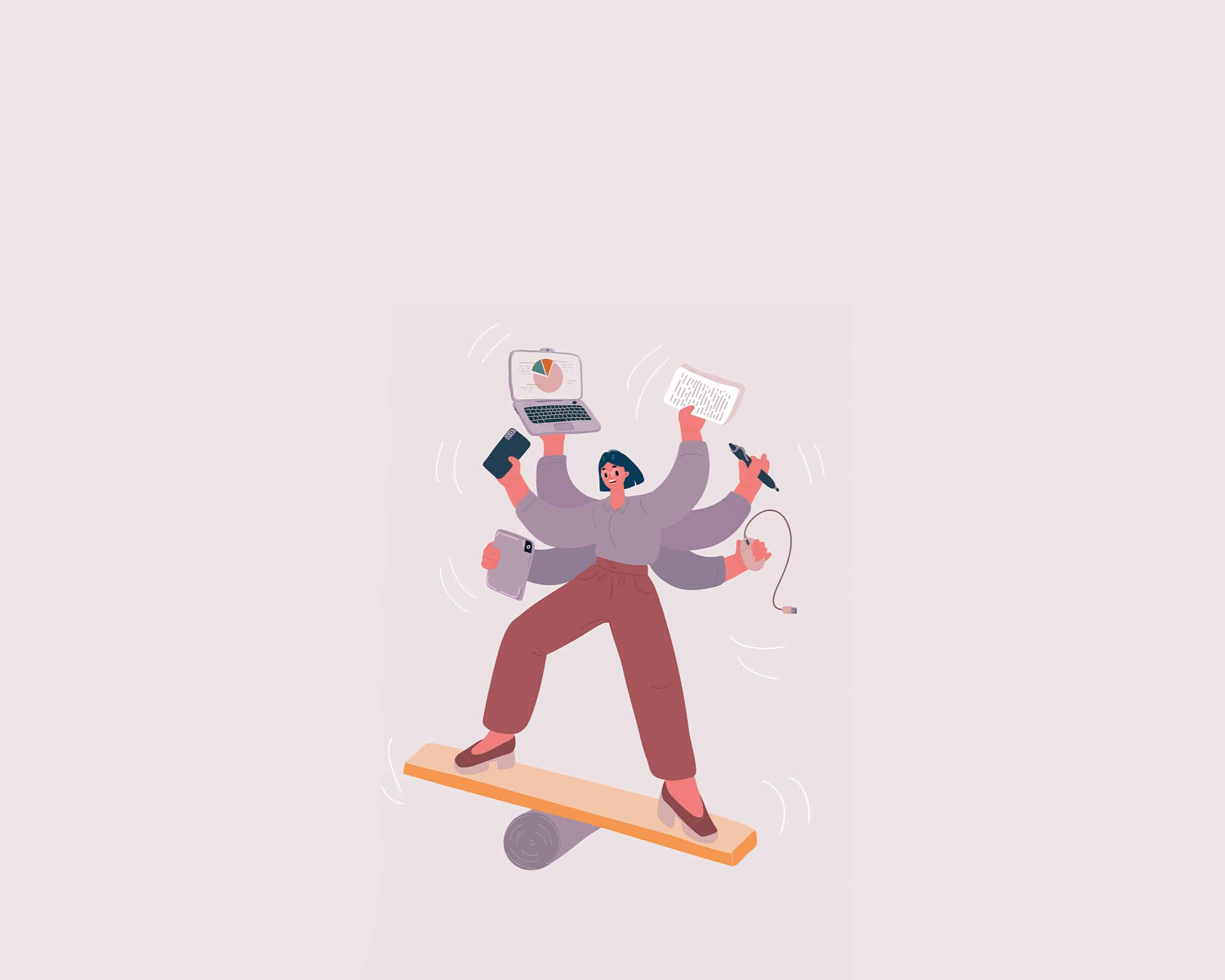
I remember a time when work ended the minute you left the office (of course, I was a mere intern then). Things have, however, changed quite a bit over the past few years.
Now, for many women working in media, entrepreneurship and digital careers, work follows them everywhere – into bed, to Sunday lunch, onto school WhatsApp groups and even into date nights.
Today’s ‘always-on’ woman is not just a professional or boss babe. She’s constantly communicating, visible and performing emotional labour too. So, what happens to love when work never truly switches off?
Pressure for presence
For working women in South Africa, this reality is often amplified. Many are not only managing demanding jobs but also holding households together, dealing with extended family responsibilities, school committees, social groups and digital communities that operate 24/7.
Burnout in women today is no longer just occupational; it is relational and digital. According to well-known life coach and psychologist Dr Aria (Aria Campbell-Danesh), we are seeing women who are physically present in their relationships, but emotionally fragmented because their attention is constantly being pulled in multiple directions.
“Physical presence doesn’t guarantee emotional connection… Loneliness in relationships often happens when you’re together in body but not in spirit, when conversations stay surface-level, when you’re both scrolling on your phones [for work or leisure] instead of engaging, or when one person consistently seems mentally elsewhere,” he says.
In romantic relationships, this fragmentation can quietly erode intimacy. A partner may be sitting across from her at dinner, but her attention is divided – replying to work emails, liking social media content or thinking ahead to tomorrow’s deadlines. Presence becomes partial. Connection is interrupted.
As Dr Aria notes, many couples misinterpret this as emotional withdrawal. “It occurs when you feel like you can’t share your authentic thoughts or feelings without judgement, criticism or dismissal… When you’re doing activities together but not truly connecting – going through the motions of a relationship without the emotional intimacy.When you find yourself longing for deeper conversation, for genuine curiosity about each other, or for feeling truly seen and understood,” he explains.
“This type of loneliness can feel worse than being alone because it highlights the gap between what you have and what you’re hoping for in partnership. The solution isn’t necessarily more time together, but more intentional connection during the time you do share. Sometimes this requires an honest conversation about what’s missing and willingness from both people to show up more fully.”
Chronic overload
The ‘always-on’ culture is especially pronounced in media, PR, marketing and content-driven industries, where visibility equals survival. For many women, the second ‘work shift’ begins the moment they log off professionally (if they ever do).
School WhatsApp groups require constant updates and participation. Birthday contributions must be tracked. Family logistics are coordinated in real time. Emotional labour becomes invisible admin.
According to the Centre for Mindful Relationships (CFMR) Counselling Group, women are often the default organisers of life. And organisation requires cognitive bandwidth. When that bandwidth is maxed out, there is very little left for emotional availability in romantic relationships.
“When you’re responsible for everyone else’s feelings and needs, your body goes into a kind of low-level survival mode. When there’s never a real break, your body stops trying to relax and you stop feeling like yourself. You might feel anxious or on edge, restless or snappy. Others might feel numb, disconnected or spaced out.” So what does this mean for love? Well, it doesn’t mean that love cannot survive. But it does mean it must evolve.
In my opinion, healthy relationships require a renegotiation of presence. We have to stop equating love with constant availability. Instead, we need intentional availability – moments where attention is fully given without fragmentation.
This might look like protected phone-free time, shared rituals that anchor connection (like morning coffee or evening walks), or simply the agreement that not every silence needs to be filled with productivity or updates. It also requires partners who understand that ‘rest’ for an always-on woman is not laziness; it’s a form of recovery.
As a woman, when I find that I have to perform productivity even in my relationship, desire and intimacy quickly fade. Intimate connection simply can’t thrive in a state of constant urgency.
Protect your love life
Create no-input zones in your day
Designate small windows where nothing is consumed or responded to – no emails, no WhatsApps, no scrolling. Even 20-30 minutes of true mental silence helps your nervous system reset and makes emotional connection more accessible.
Separate urgency from importance
Not every notification is urgent, even if it feels that way. Ask: “Does this need me right now, or can it wait until I’m fully present?” This small pause helps reduce reactive living in relationships.
Protect one daily connection ritual
Whether it’s morning coffee, a 10-minute check-in after work or a bedtime chat, consistency matters more than duration. These rituals become anchors that protect intimacy from chaos.
Stop performing productivity at home
You don’t need to prove how busy you are to your partner. Constantly narrating workload or multitasking during quality time can unintentionally replace connection with admin.
Share the mental load explicitly
If you’re managing family, school groups or social logistics, don’t assume your partner sees it. Name it. Delegate it. Make invisible labour visible so it can be shared.
Communicate your “always-on” reality clearly
Help your partner understand your work rhythms and digital demands. When they understand the system you’re operating in, they’re less likely to misinterpret your fatigue as emotional distance.
Words: Chandre Emma Kippie
Illustration: Gallo/Getty Images