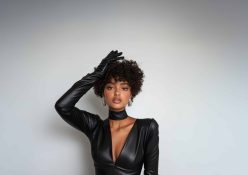


Whether it’s your first major purchase or a refresh for the season, discover how to navigate cuts, colours and fabrics for attire that finally feels like you.
The perfect suit is more than just clothing, it a reflection of who you are and how you carry yourself in the world. A single, well-chosen suit is a worthwhile investment, as it can be styled for a variety of occasions, from business meetings and formal dinners to gala celebrations. With the right accessories and styling, it can create multiple sophisticated looks.
Finding that perfect suit can be a long and sometimes overwhelming journey. Use this step-by-step guide as a tool to choose a suit that not only fits impeccably, but will also reflect your personal style for years to come.
Step 01
Go as close to bespoke as possible
There is nothing wrong with choosing an off-the-rack suit, but if your budget allows, investing in a bespoke tailored suit is worth considering, as nothing offers the same level of precision and comfort. However, if you’re going the off-the-rack route, having it altered by a skilled tailor can make a significant difference to its overall fit and appearance.
The advantage of tailoring is that it is customised to your unique body proportions, resulting in a more flattering silhouette and greater comfort (which, as anyone who has worn an ill-fitting suit will attest, is key). A good tailor will be able to recommend the necessary alterations to an off-the-rack suit.
Step 02
Determine the purpose of the suit
Although a suit is an incredibly versatile wardrobe staple that can be worn for a variety of occasions, not every suit is suitable for every event. A lightweight linen suit worn to a daytime event, such as a spring wedding, will not translate well to a formal evening black-tie gala.
That said, if you have just one suit, changing up your accessories, shirt, shoes and other details can go a long way in making it more appropriate for the occasion. The most important factor in choosing that single versatile suit is that the colour and fit are perfect for you.
Step 03
Material selection
Whether you choose an off-the-rack or tailored suit, the fabric plays a crucial role in its overall appearance, comfort and longevity. The material you select will determine how the suit drapes, breathes and performs in different climates and for different occasions.
If you want an all-year-wearable suit, then wool is advisable. Linen is perfect for summer and cotton is a good casual-elegant option. Investing in a quality fabric will not only enhance the look of your suit but also ensure it remains a timeless staple in your wardrobe for years. The lining is equally important: silk is the most luxurious, while polyester is a practical and durable alternative.
Step 04
Patterns and colours
Similar to the fabric, the colour of your suit goes a long way. Black and navy are the traditional and most versatile colours that work for most occasions and suit most skin tones. Charcoal grey and sand-coloured suits are the modern classics. If you like to stand out and have the attitude to pull off an unusual or brighter colour, or even white, go for it.
Another consideration is pattern, and there are a few classics to choose from: pinstripes (most associated with business environments); checks or tartan (a more sporty choice but can work on a formal suit); and subtle and classy birds-eye weave. There’s also herringbone, houndstooth, geometric, plaid and many others that allow you to stand out.
Step 05
The fit
The fit of a suit is the single most important aspect to consider.
It enhances your posture, flatters your silhouette and ensures comfort throughout the day. It will also allow you to pull off more adventurous looks. A proper fit means it drapes smoothly without pulling or creating unnecessary folds.
Apart from ensuring that the suit sits well on you, know that different fit options each convey a specific vibe. The slim fit is the most tapered silhouette and the most contemporary, slick and snappy look. The classic fit offers the most room through the chest, waist and legs, prioritising comfort while giving a timeless, sophisticated appearance. Finally, the tailored fit is somewhere in the middle, making it a versatile choice that complements most body types.
Step 06
The finer details
Never underestimate the details – the lapel shape and button configuration – as they complete the overall look of a suit and can significantly influence both its style and formality. The shawl lapel (smooth, rounded edge) is most associated with tuxedos and black-tie events. The notch lapel is the most classic and versatile option, working well with or without a tie and suitable for all occasions. The peak lapel is the most structured, broadening the shoulders and adding a sense of authority, making it ideal for business suits and formalwear.
In terms of buttons, a single-breasted jacket is the most versatile choice (it can be worn open or buttoned), whereas a double-breasted jacket creates a more structured, formal appearance (and should always be buttoned up).
Finally, your shirt and tie can be neutral and classic, or a colour that complements the suit fabric, or make a statement.
Pocket squares and jewellery can also be used to add formality, flair or a fun element, depending on the occasion.
Words: Lethabo Mcwanga
Photography: Gallo/Getty Images