

If you want to cover every outdoor space with plant life, you need vines or creepers in your garden. Here are five great options and how to make each of them thrive.
Bushes are great, but they are limited in terms of their growth. If you want to turn your home and garden into a green oasis, vines and creepers can help you achieve this aesthetic. They are great ground-cover plants, known for growing like weeds and sprouting out over a space. With low maintenance needs and a lush look, here are five varieties that are well-suited to the South African climate (and how to care for them).
View this post on Instagram
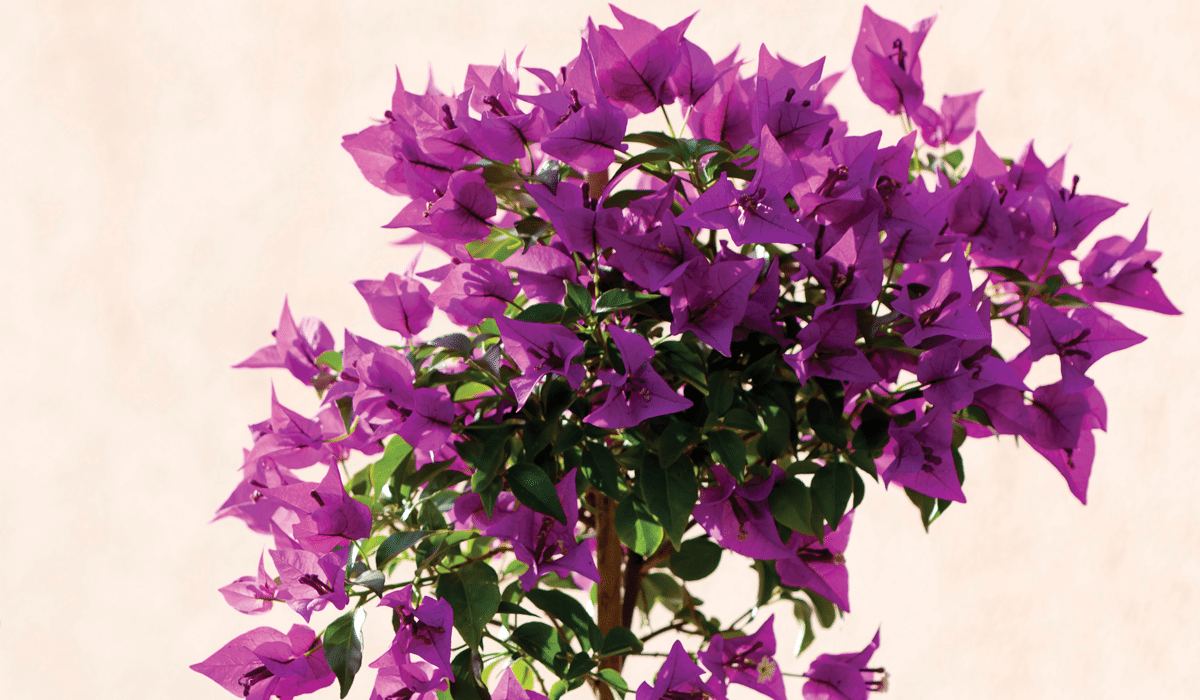
Bougainvillea
This creeper is best known for its vibrant pink, orange and yellow blooms. But don’t let its good looks fool you — on the stalks you will find sharp thorns, making them somewhat of a crime deterrent. When dried, the flowers (or, rather, modified leaves) are popular as a natural confetti for weddings and other celebrations. Originating from warm climates, it thrives best in direct sunlight, requiring about six hours of sun a day. Their ideal soil is sandy and well-draining, and they don’t need regular watering, but seasonal pruning can help to shape them as desired.
Ivy
From Christmas to nobility, ivy is an evergreen plant that flourishes throughout the year and has several associations. Not to be confused with its poisonous cousin, which can cause a rash on the skin, the common variety, which is often found creeping up onto building walls, is a resilient vine that grows best in partially shaded areas. It is adaptable to different types of soil and can withstand very dry conditions. Being a perennial plant, you can enjoy its green splendour all year long. Ivy should be trimmed regularly, though, as it can be invasive.
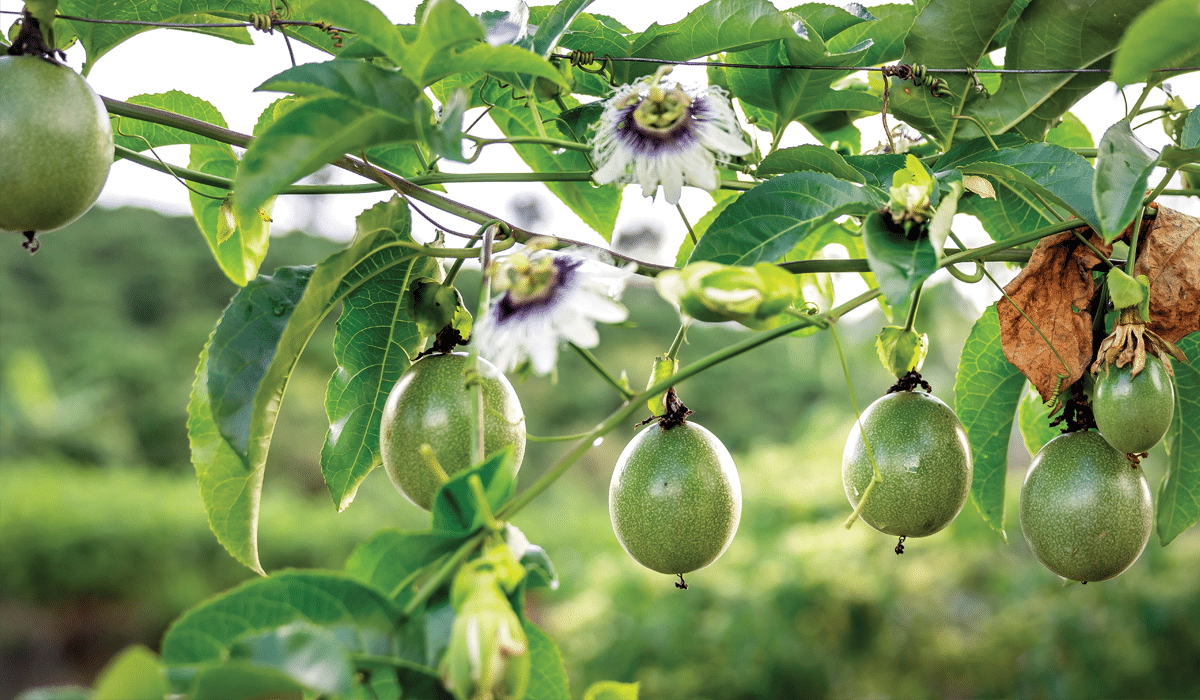
Granadilla
Few things are more satisfying than being able to harvest ripe fruit from your garden. Also known as passion fruit, this vine grows abundantly so it requires regular pruning and a sturdy trellis to support it. As for soil, it needs consistent moisture, and it grows best when it has access to warm temperatures and direct sunlight. This creeper starts to produce fruit between six and nine months after planting and, in the spring and summer months, you can expect beautiful purple and white flowers that look almost otherworldly
Jasmine
If it’s fragrance you’re after, you can’t go wrong with jasmine, which has a sweet and intoxicating scent often used to create perfume and is thought to promote relaxation. Blooming in the warm seasons, it’s synonymous with sunny days and balmy nights. Easy to train on trellises, fences or pergolas, jasmine is best planted where it has access to full sun and only light shade. It should be watered regularly in the dry seasons and hot weather to keep the soil consistently moist. Manipulate the size and shape, and encourage new growth with occasional pruning.
Philodendron
Turn your garden into an elegant urban jungle with this low-maintenance, air-purifying plant. Often gifted in potted form, being symbolic of health and abundance, they can be replanted outside if you can give them access to indirect light. When the conditions are wet, watering them is unnecessary and in dry months, they only need water when the topsoil has dried out. One way to grow them is in hanging baskets — which can be indoors or outdoors -as they look especially attractive with the leaves trailing down.
Controlled chaos
Not every garden requires strict rows and flowerbeds. Chaos gardening — which is tossing different seeds into the soil and letting nature take its course —is currently trending, and this hands-off approach can yield spontaneous and charming results. Want to give it a go? Consider your climate and pollinators when selecting your plants, then group them based on their sun and water needs to make maintenance easier. Now you can sit back and be taken by surprise by what you’ve created.
Words: Helen Wallace