
This Victorian home in Cape Town has been given a sophisticated update, bringing out all its loveliest historic features while also adding light-filled layers of elegance and ease.
Renovating a historic home is not a task for the faint of heart. From securing heritage and council committee approvals to dealing with unforeseen structural challenges, it’s a process that is both complex in design terms and costly in execution — overall, a major challenge. And so it was with this Victorian cottage in Tamboerskloof, Cape Town. Built in 1904, it is set in a terraced row of houses on one of the suburb’s most charming tree-lined streets.
Fortunately, the home’s careful and multi-year renovation process was overseen by one of the city’s top interior designers, who also happens to be its co-owner and the founder of his own quantity surveying practice to boot. Dawid Augustyn has been combining left-brain precision with right-brain creativity as the managing director of ESTABLISHMENT, his interior design business, for the past 18 years. “I always say my grown-up job is being a quantity surveyor, and ESTABLISHMENT is my playground,” Dawid adds.
The house had originally been purchased by Dawid’s husband Dr Zane Stevens, an endocrinologist, before the couple first met. Zane was attracted to the home’s heritage appeal as well as its location — “I was drawn to the neighbourhood and its feeling of community,” he says. “I’ve always loved Victorian houses and was excited about the idea of giving this little old lady a new lease of life,” he explains. Fast-forward a few years, during which the couple lived more or less between their two respective properties in the city, they made the decision to renovate Zane’s “little old lady” so that she truly suited their lifestyle and needs.
As Dawid suggests, it’s absolutely necessary to sensitively bring period homes up to date in order to make them work for their current inhabitants — and into the future. “We’re very strong in our opinion about having to be able to modernise these older homes, because otherwise they get left for ruin,” he says, “and in that case, you don’t have any preservation of the buildings at all?’
The planning process here included carefully weighing up each aspect and element of the house, from the characteristic cast-iron trim on its facade to its original wooden floors, mouldings and fireplace. All of these aspects have been retained and renewed. The addition of further wall panelling and mouldings, as well as cleverly revised room arrangements, have enabled the interior to be brought up to date in a manner that elegantly acknowledges the past while also extending it practically and aesthetically into the present.
Completely new aspects of the design include the substantially expanded and updated kitchen, as well as the creation of a first-floor bedroom suite with a private balcony courtyard above it. The overall idea linking these areas, says Dawid, was to work with “two boxes, linking to each other seamlessly, even though contrasting”. As he suggests, this “highlights the old and the new, celebrating both the heritage and the new, modern way of living”.
While the kitchen had always been situated at the rear of the house, it was enlarged. By enclosing it on two sides with framed sliding panes of glass, a glorious flood of light was invited into the space. The result draws the eye out and up towards trees and sky, blurring the boundaries between internal and external, while simultaneously taking on the feel of a vitrine in which precious objects are displayed and celebrated. The choice of black, multi-paned window frames also gives the space a vintage-industrial feel — one that subtly complements the home’s heritage —rather than a starkly contemporary one.
Upstairs, the bedroom suite has the private, contained feel of a small apartment set within the wider house. Entered via an adjacent micro study and dressing space with lots of built-in storage, the bedroom is open plan to a bathroom area finished in sophisticated wooden panelling that features a luxurious enclosed shower and double vanity counter clad in black marble. “I wanted quite a masculine, more traditional feeling, but still modern, contemporary and soft,” says Dawid.
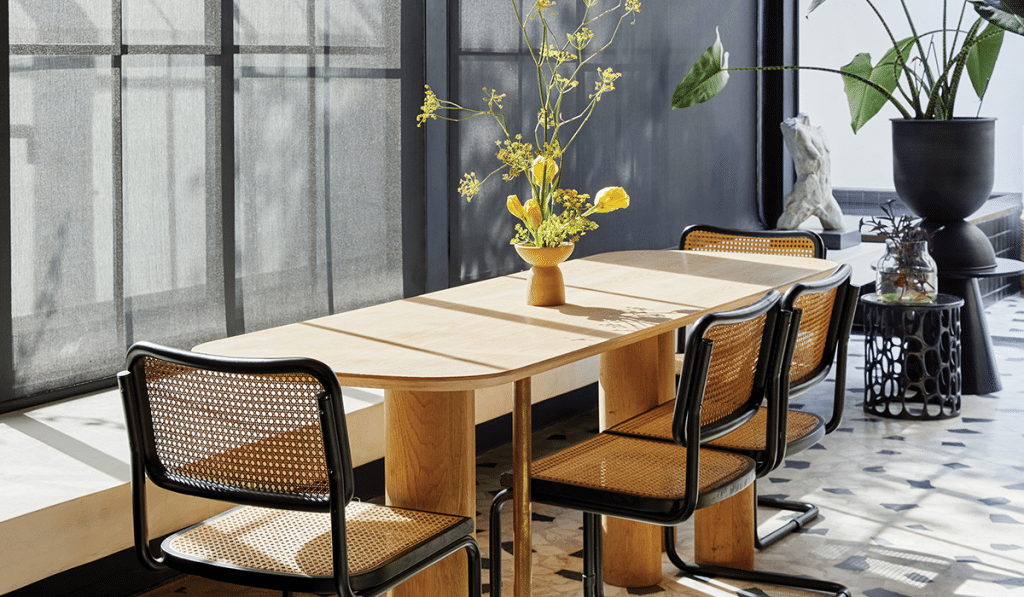
The living room is situated at the front of the house and is furnished with a deep-buttoned sofa in leather selected by the couple. Tucked between the living room and kitchen is a petite dining area, warmed in winter by an original fireplace, furnished with a steel table and chairs. And this is precisely what has been achieved here.
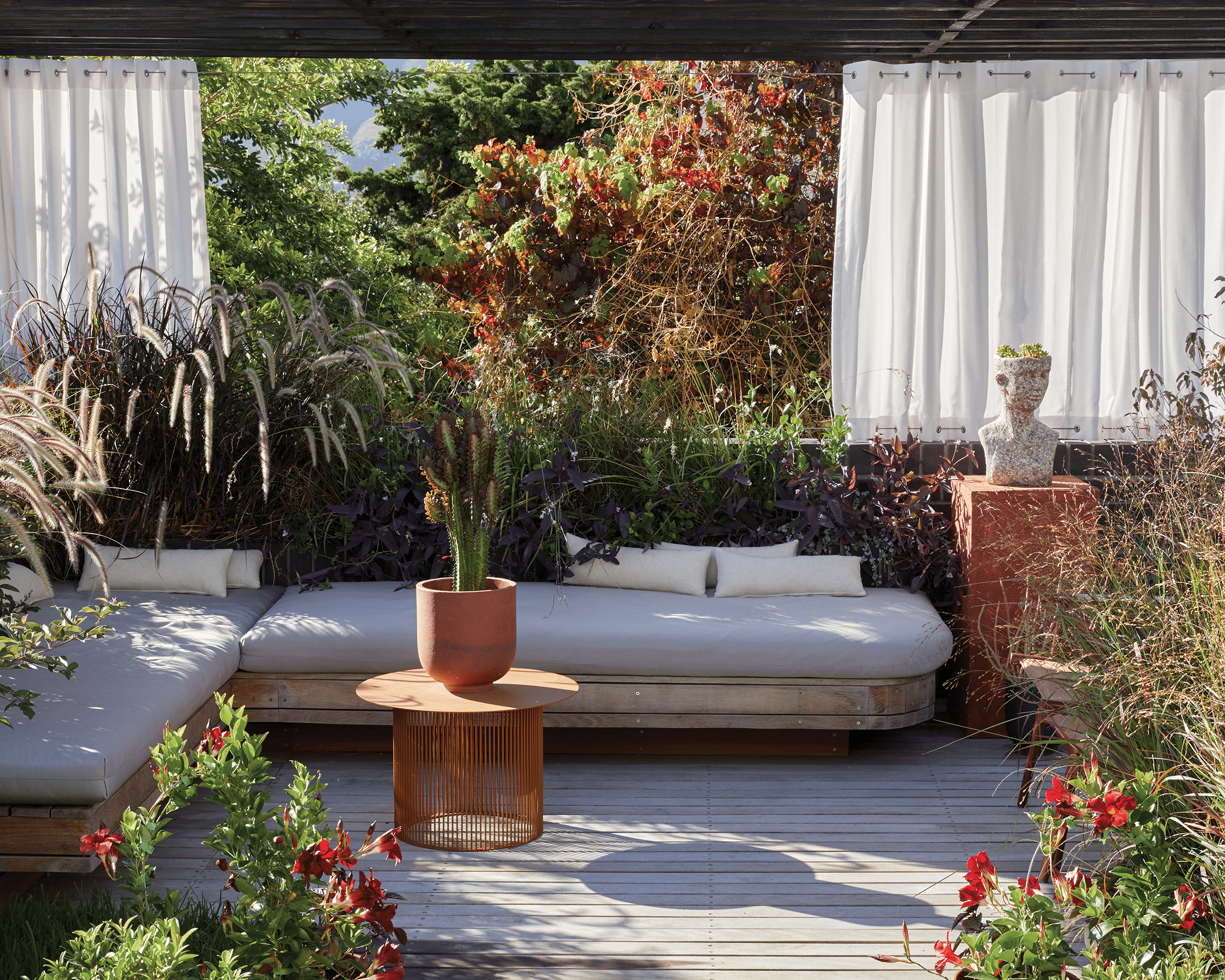
The bedroom also leads out onto a spacious garden deck that sports a pergola over which climbers are starting to scramble, plus a built-in pair of outdoor daybeds — with urban views of the city as well as Table Mountain. Dawid says, “It was very important to me to have a garden. We love the High Line in New York so some of the inspiration was from there, with the grass and plants that cascade and move in the wind.” This, along with a patch of grass for Lilly, the couple’s English Pointer, naturally.
Essential alongside the creation of the upper floor was a stairway leading up to it. Again, rather than trying to make this element compact and contemporary, Dawid created a solid yet graceful design that feels as if it has been always there —although, of course, it has not. “I like a staircase that feels like it’s not ashamed to be a staircase,” he says with a smile. Similar to the adjacent multi-paned windows, the curvaceous, fully handmade plastered balustrade has a real touch of 1930s elegance to it.
Several rooms in the downstairs part of the home combine various forms of double duty. The kitchen-diner area is well suited to working from home, for example. Similarly in Zane’s “personal sanctuary”, the private study space blends with a library, music room and aesthetic treasure box in its own right for which, he says: “We chose a somewhat daring colour —a rich burnt terracotta — for both the walls and ceiling, which provides an emotive and creative environment.” And right at the front of the house, a luxe TV and reading den with a sliding door has been conceptualised to double as a guest bedroom when required, complete with a petite guest bathroom and toilet nestled almost invisibly alongside it.
The house combines its public and private spaces in beautifully considered ways, finished with a sophisticated blend of furniture sourced via ESTABLISHMENT, plus a mix of collectables and art put together by the couple over a number of years. Urbane yet historic with an unerring eye for detail, this home fuses old and new in a manner that respects both the past and the present, and looks set to nurture and delight its occupants for many years to come.
ABOVE: A set of minimalist steel stairs leads down from the first-floor deck to the ground-floor courtyard. The Adirondack chair was made by a friend of Dawid’s, and the Chispa portable lamps on the stairway are by Joan Gaspar for Marse.
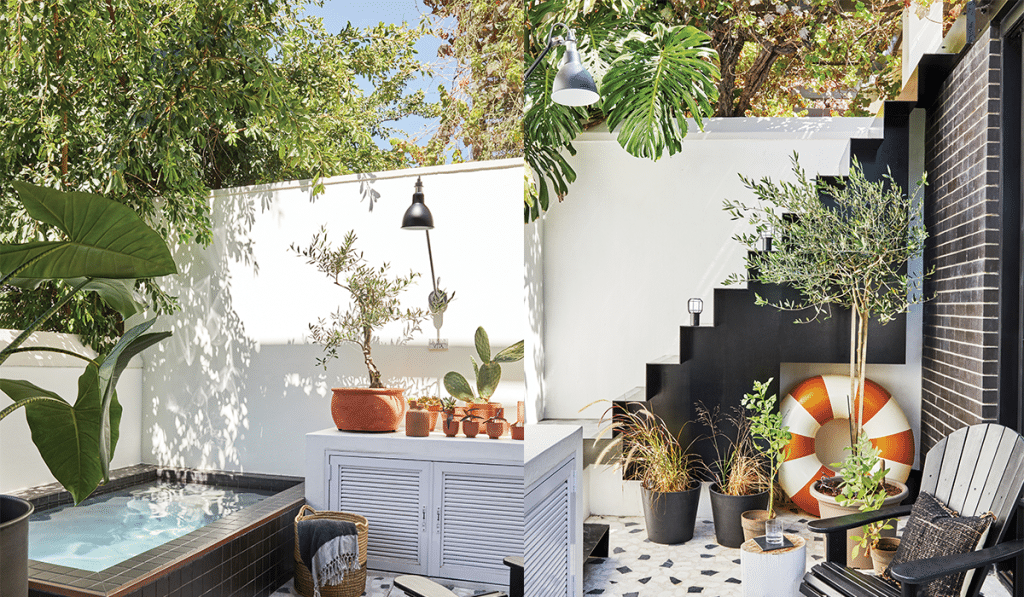
ABOVE: The courtyard includes a plunge pool. The selection of terracotta pots, vases and vessels sets off the monochrome palette to perfection.
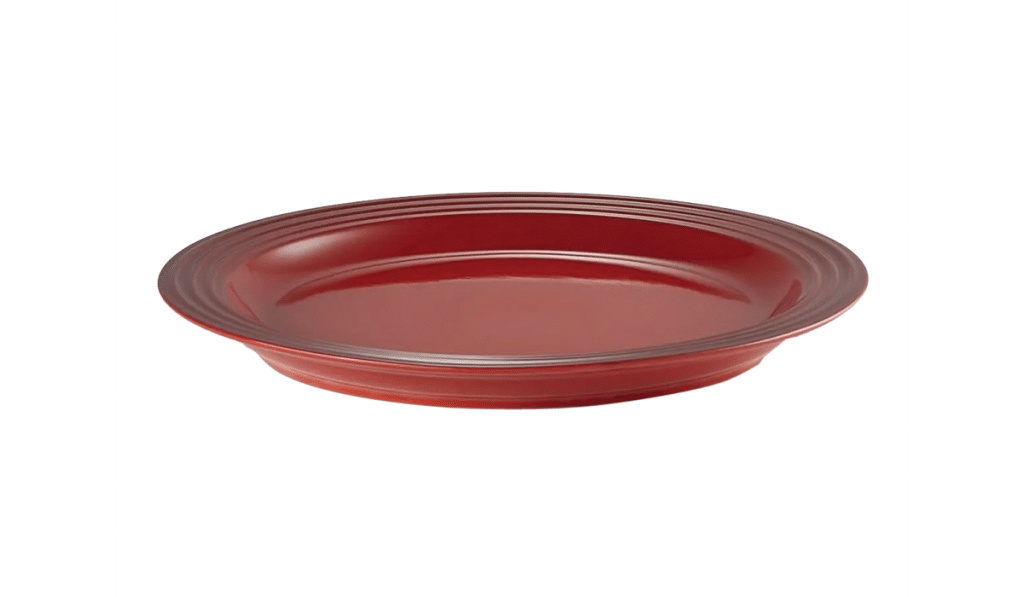

1. Le Creuset Dinner Plate in cerise 27cm R529
2. Leafy Hazel Place Mat in black R69
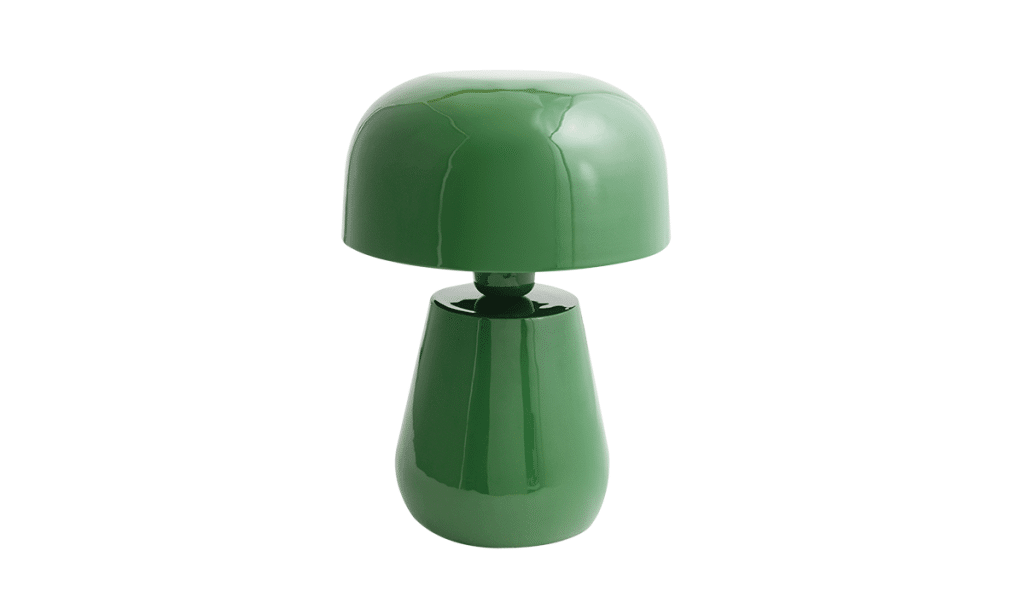
3. Canvas Studios Mushroom Lamp R899
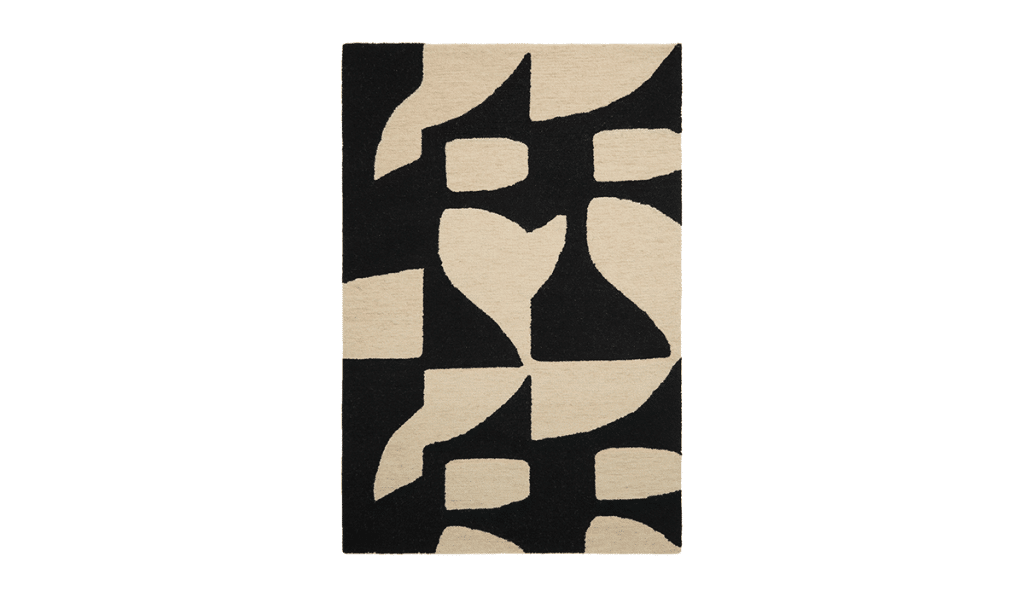

4. Canvas Studios Graphic Wool Blend Rug R2 499
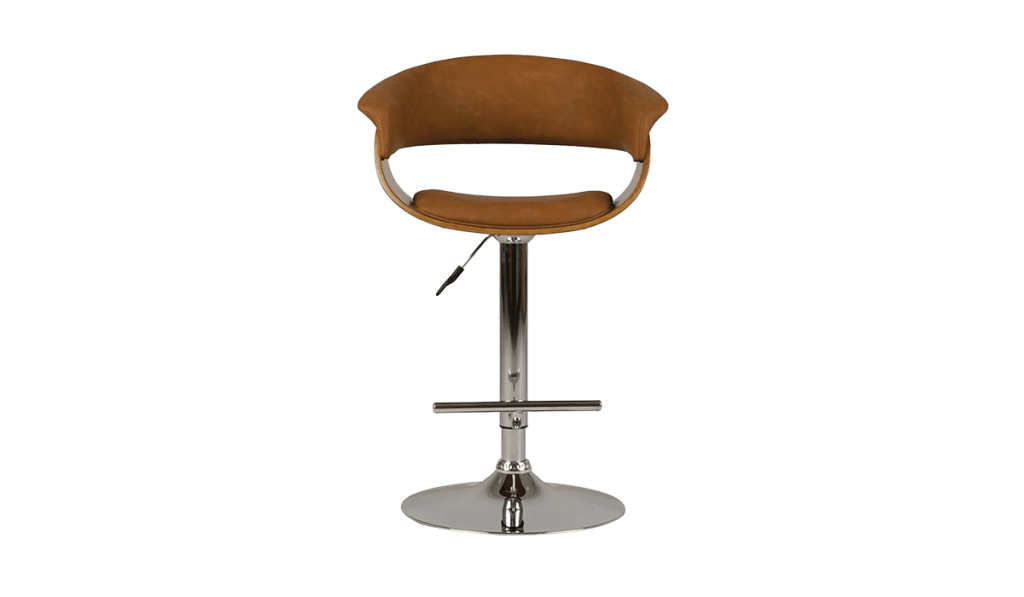
5. Saddle Barstool R3 999
6. Reviera New Bone Mug in red R69
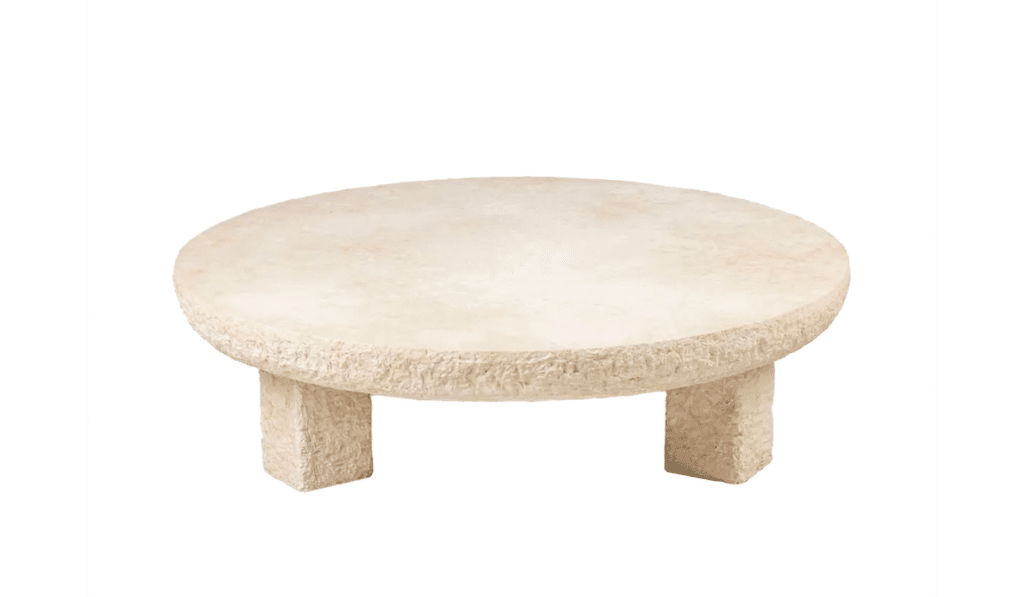


7. Emrik Tribecca Outdoor Coffee Table R25 999
8. Noteworthy Scented Candle in black 380g R299
9. Measuring Cups in gold R389.
Prices correct at time of print and may change.
Words: Robyn Alexander
Photography: Greg Cox, Supplied.